


Know the Difference Between RTO and DTO Before Vehicle Registration
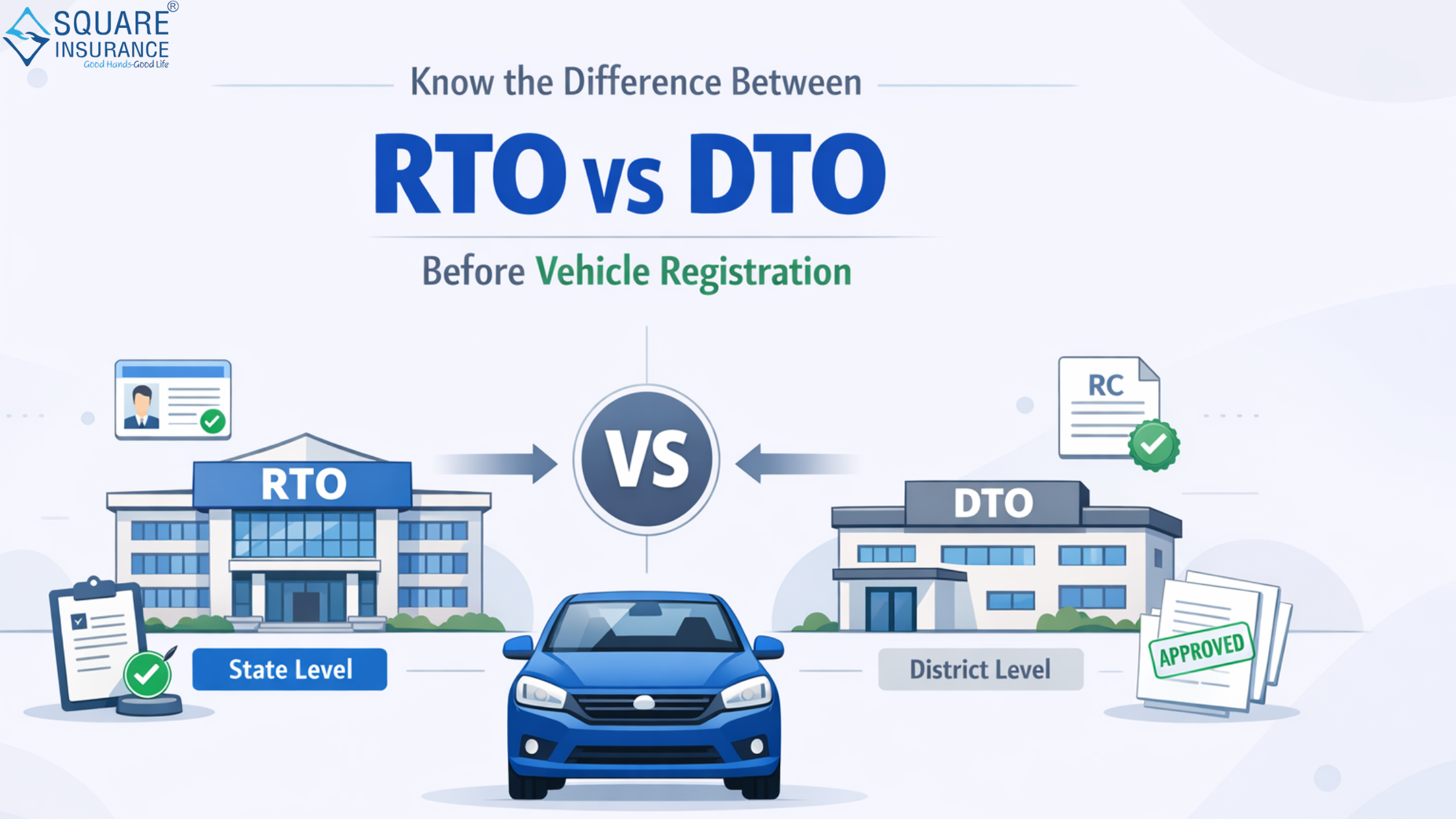
When it comes to vehicle ownership in India, understanding the difference between RTO and DTO is essential before starting the registration process. Many vehicle owners often use these terms interchangeably, but they are not exactly the same. Knowing how the system works can help you avoid delays, penalties, and confusion while dealing with vehicle-related documentation.
Whether you are buying a new car, transferring ownership, or applying for a driving licence, clarity on RTO vs DTO ensures a smooth and hassle-free experience.
What is an RTO?
The Regional Transport Office (RTO) is a government authority responsible for managing and regulating road transport operations in a specific region or district. It operates under the Motor Vehicles Act, 1988, and plays a key role in maintaining transport-related records and enforcing rules.
Key Functions of RTO:
- Vehicle registration (new and old vehicles)
- Issuing Driving Licences (DL)
- Collection of road tax
- Issuing permits (commercial vehicles)
- Vehicle fitness certification
- Transfer of vehicle ownership
- Enforcement of traffic rules
RTO offices are present across India, and each state has multiple RTOs assigned to different regions.
What is a DTO?
The District Transport Office (DTO) is essentially a subdivision or district-level extension of the RTO. In many states, DTOs function as localized administrative units that handle transport-related services within a district.
Key Functions of DTO:
- Assisting with vehicle registration at the district level
- Processing driving licence applications
- Managing local transport permits
- Handling tax collection within the district
- Maintaining district-specific vehicle data
In simpler terms, DTOs operate under the broader authority of the RTO and help decentralize transport services for better efficiency.
RTO vs DTO: Major Differences Explained
Understanding the distinction between RTO and DTO is crucial for vehicle owners. Here’s a clear comparison:
1. Level of Authority
- RTO: Operates at a regional or state-assigned level with broader authority
- DTO: Functions at the district level under the supervision of the RTO
2. Scope of Work
- RTO: Handles large-scale operations including policy implementation and enforcement
- DTO: Focuses on localized services and administrative support
3. Jurisdiction
- RTO: Covers multiple districts or regions
- DTO: Limited to a specific district
4. Decision-Making Power
- RTO: Has higher decision-making authority
- DTO: Works as an executing body for RTO directives
5. Accessibility
- RTO: May be located in major cities
- DTO: More accessible for rural or district-level residents
Why Knowing the Difference Matters Before Vehicle Registration
Many vehicle owners face delays because they approach the wrong office. Understanding RTO vs DTO helps in:
1. Avoiding Unnecessary Delays
If you visit the wrong office, your application may get redirected, causing time loss.
2. Faster Documentation
Knowing where to go ensures quicker processing of documents like RC, DL, and permits.
3. Better Compliance
Each office has specific roles. Understanding them helps you comply with rules effectively.
4. Smooth Ownership Transfer
Vehicle ownership transfer is easier when you approach the correct authority.
Vehicle Registration Process in India
To understand the relevance of RTO and DTO, here’s a quick overview of how vehicle registration works:
Step 1: Submission of Documents
You need to submit documents such as:
- Invoice of the vehicle
- Insurance certificate
- Identity and address proof
- Pollution Under Control (PUC) certificate
Step 2: Verification
The concerned authority (RTO or DTO) verifies your documents.
Step 3: Payment of Fees
Registration charges, road tax, and other applicable fees are paid.
Step 4: Vehicle Inspection
In some cases, the vehicle is inspected physically.
Step 5: Issuance of RC
The Registration Certificate (RC) is issued after approval.
Depending on your location, either the RTO or DTO will handle this process.
Common Services Offered by Both RTO and DTO
Although their scope differs, both offices provide several overlapping services:
- Driving Licence issuance and renewal
- Vehicle registration and re-registration
- Road tax collection
- Permit issuance
- Fitness certificate approval
The difference lies mainly in the scale and jurisdiction.
Challenges Faced by Vehicle Owners
Despite digitization, users still face certain issues:
1. Lack of Awareness
Many people don’t understand where to go for specific services.
2. Documentation Errors
Submitting incorrect documents can lead to rejection.
3. Delays in Processing
Manual verification in some areas still causes delays.
4. Confusion Between Authorities
RTO vs DTO confusion remains one of the most common problems.
Tips for Hassle-Free Vehicle Registration
To ensure a smooth experience, follow these tips:
- Always confirm whether your service is handled by RTO or DTO
- Keep all documents ready and verified
- Pay fees online whenever possible
- Double-check application forms before submission
- Track application status regularly
Frequently Asked Questions (FAQs)
Q1. What is the main difference between RTO and DTO?
The RTO operates at a regional level with broader authority, while the DTO functions at a district level and works under the RTO.
Q2. Can I register my vehicle at a DTO office?
Yes, in many states, DTO offices handle vehicle registration at the district level.
Q3. Is RTO higher than DTO?
Yes, RTO has higher authority and supervises DTO operations.
Q4. Which office issues a Driving Licence?
Both RTO and DTO can issue driving licences, depending on the state structure.
Q5. How do I know which office to visit?
You can check your state transport department website or ask your vehicle dealer for guidance.
Q6. Are RTO and DTO services available online?
Yes, many services are now available online through government portals, making the process easier.
Conclusion
Understanding the difference between RTO and DTO is crucial for every vehicle owner in India. It not only simplifies the vehicle registration process but also helps in avoiding unnecessary delays and confusion. By knowing which authority to approach, you can ensure faster processing and better compliance with transport regulations.
For a seamless experience in managing your vehicle-related services and insurance needs, Square Insurance can be a reliable partner. From policy comparison to claim assistance, it helps you stay covered and informed at every step.
Please Note: Manage your policies easily with Square Insurance POS Apps on Google Play, accessible online anytime, anywhere.

 English
 French
 Spanish
 Portuguese
 Deutsch
 Turkish
 Dutch
Dutch
 Italiano
 Russian
 Romaian
 Portuguese (Brazil)
 Greek
Greek