


Lower Blepharoplasty in London: Who May Benefit From Lower Eyelid Surgery?
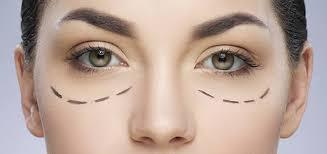
The area beneath the eyes can have a significant influence on the overall appearance of the face. Changes such as under-eye bags, excess skin, or a tired-looking lower eyelid contour can become more noticeable with age, although these features can also occur due to genetics and individual facial anatomy. For people who are considering a surgical approach, Lower Blepharoplasty in London may be an option worth discussing with a qualified specialist.
Lower blepharoplasty focuses on the lower eyelids and is designed to address specific structural features that contribute to the appearance of the under-eye area. Rather than being suitable for everyone with concerns around their eyes, the procedure is usually considered following an individual assessment of the lower eyelids, surrounding tissues, and overall facial proportions.
Understanding who may benefit from lower eyelid surgery can help prospective patients decide whether a consultation is appropriate.
What Is Lower Blepharoplasty?
Lower blepharoplasty is a surgical procedure designed to improve the appearance of the lower eyelids. Depending on an individual's anatomy, treatment may involve addressing excess skin, repositioning or adjusting underlying fat, or refining the contour of the lower eyelid.
The exact technique used varies from person to person. Some individuals primarily have prominent under-eye fat, while others have a combination of skin laxity, tissue changes, and under-eye contour concerns.
The purpose of treatment is to create a more balanced appearance around the eyes while taking the individual's existing facial structure into account.
Who May Consider Lower Eyelid Surgery?
People consider Lower Eyelid Surgery In London for different reasons. Some may have noticed gradual changes associated with ageing, while others may have had prominent under-eye features for much of their lives.
Potential candidates may include individuals who have:
- Noticeable bags beneath the eyes
- Excess or loose lower-eyelid skin
- A persistent tired-looking appearance around the eyes
- Prominent lower-eyelid fat
- Changes in the lower eyelid contour associated with ageing
- Under-eye features that are influenced by their natural facial anatomy
Having one or more of these characteristics does not automatically mean that surgery is necessary or appropriate. A consultation is important to determine what is actually contributing to the appearance of the lower eyelids.
Under-Eye Bags and Lower Eyelid Surgery
Under-eye bags are one of the most commonly associated concerns with lower blepharoplasty.
The appearance of bags beneath the eyes can be influenced by the position of fat within the lower eyelid. As facial tissues change, this fat may become more noticeable and contribute to a fuller appearance beneath the eyes.
In other cases, under-eye puffiness may be related to factors that are not addressed through surgery. This is why an assessment is important before deciding on treatment.
For suitable patients, lower blepharoplasty can be used to address the structural features contributing to the appearance of under-eye bags.
People Experiencing Age-Related Changes
Ageing can gradually alter the skin and soft tissues around the eyes. The lower eyelid may become less firm, while changes in tissue position and volume can affect the transition between the eyelid and cheek.
These developments can make the lower eyelids appear heavier or more prominent.
Individuals who are noticing these changes may consider Lower Blepharoplasty in London as part of their approach to improving the appearance of the lower eye area.
However, age alone does not determine suitability. A person's anatomy, skin characteristics, expectations, and overall circumstances are more relevant when deciding whether surgery may be appropriate.
Younger People With Naturally Prominent Lower Eyelids
Lower eyelid concerns are not limited to older adults.
Some younger individuals naturally have prominent under-eye bags or lower-eyelid fullness because of their genetics and facial structure. In these situations, the appearance may exist even when the skin itself has relatively good elasticity.
For someone whose under-eye appearance is primarily related to anatomical features rather than age-related skin changes, a consultation can help identify the underlying cause and whether lower blepharoplasty may be an appropriate option.
This highlights why there is no universal age at which someone should consider lower eyelid surgery.
Individuals With Excess Lower-Eyelid Skin
Loose or excess skin can contribute to a heavier appearance beneath the eyes. This may become more noticeable as skin elasticity changes with age.
Lower blepharoplasty can involve addressing excess skin where this is considered appropriate for the individual's anatomy.
The treatment plan should be carefully tailored because the lower eyelid is a delicate and structurally important part of the face. The goal is generally to achieve an appropriate contour rather than simply removing as much skin as possible.
People Concerned About Their Overall Eye Area
The appearance of the lower eyelids does not exist independently from the rest of the face. The relationship between the lower eyelid, cheek, upper eyelid, and surrounding facial structures can influence how the eyes appear.
Some people may feel that their lower eyelids make them look tired even when they feel well rested. Others may simply be unhappy with the appearance of under-eye fullness or changes that have developed over time.
During a consultation, these concerns can be discussed in the context of the individual's overall facial appearance.
How a Specialist Determines Suitability
Suitability for Lower Eyelid Surgery In London should be established through an individual assessment rather than based on photographs or general criteria alone.
A specialist may consider the amount of excess skin, the position of lower-eyelid fat, skin quality, facial proportions, and the relationship between the eyelids and cheeks.
The patient's expectations are also an important part of the consultation. Understanding what someone wants to change helps the specialist determine whether lower blepharoplasty can reasonably address those concerns.
In some cases, a patient's main concern may not originate from the lower eyelid itself. Identifying the actual source of the concern is therefore an important part of planning.
The Importance of Realistic Expectations
Having realistic expectations is an essential part of any cosmetic procedure.
Lower blepharoplasty is intended to address specific structural features of the lower eyelids. It is not designed to completely change the shape of the face or eliminate every form of under-eye discolouration.
For example, dark circles may have several contributing factors, including pigmentation, shadows caused by facial anatomy, or changes in volume. Surgery may address certain structural elements but may not change every cause of dark-looking skin beneath the eyes.
A detailed consultation allows these distinctions to be explained before treatment.
Lower Blepharoplasty and Facial Balance
One of the key considerations in lower eyelid surgery is maintaining harmony between the eyes and the rest of the face.
The lower eyelid sits directly above the cheek, meaning changes to this area can influence the overall appearance of the mid-face. A carefully planned procedure therefore considers the surrounding structures rather than focusing exclusively on one feature.
This is one reason why choosing an established Blepharoplasty Clinic in London can be an important part of the decision-making process.
At bodyvie clinic, individuals can discuss their concerns and receive an assessment based on their individual facial characteristics and treatment goals.
What Happens During a Consultation?
A consultation provides an opportunity to discuss the concerns affecting the lower eyelids and determine whether surgery may be suitable.
The specialist will typically assess the lower eyelid area and discuss the features that the patient would like to change. This may include under-eye fullness, excess skin, or changes in the contour between the eyelid and cheek.
The consultation is also a useful opportunity to discuss the expected outcome, the surgical approach, and the recovery process.
Rather than approaching lower blepharoplasty as a standard treatment, an individualised consultation allows the procedure to be considered according to each patient's anatomy.
What Results Can Lower Blepharoplasty Aim to Achieve?
The intended outcome of lower blepharoplasty is generally a smoother and more balanced appearance around the lower eyelids.
Depending on the individual's anatomy and treatment plan, surgery may address excess skin, prominent fat, or other structural features contributing to under-eye fullness.
The goal is not necessarily to create an entirely different appearance. Instead, the procedure can be planned to improve specific features while maintaining the natural character of the face.
The final appearance develops as the tissues heal and settle, so it is important to understand that the immediate postoperative appearance is not the final result.
Is Lower Blepharoplasty Right for Everyone?
No cosmetic procedure is automatically suitable for every individual.
Someone may have under-eye concerns but find that another approach is more appropriate depending on the cause of the issue. For example, if the primary concern is pigmentation rather than excess tissue, lower eyelid surgery may not directly address the main issue.
Similarly, people with different anatomical characteristics may require different approaches.
This is why professional assessment is an important part of considering Lower Blepharoplasty in London.
Why Choose a Specialist Clinic?
Lower eyelid surgery requires detailed understanding of the anatomy surrounding the eyes. Choosing a specialist Blepharoplasty Clinic in London gives prospective patients an opportunity to discuss their concerns with a practitioner who regularly assesses eyelid-related aesthetic concerns.
A good consultation should focus on the individual's anatomy, expectations, treatment options, and long-term goals.
Patients should feel comfortable asking questions and should receive clear information about what the procedure is designed to achieve.
Frequently Asked Questions
What is Lower Blepharoplasty in London?
Lower Blepharoplasty in London is a surgical procedure focused on improving the appearance of the lower eyelids. Depending on individual anatomy, it may address excess skin, prominent fat, or changes in the lower-eyelid contour.
Who may benefit from lower blepharoplasty?
People with noticeable under-eye bags, excess lower-eyelid skin, prominent fat, or age-related changes may consider the procedure. Younger individuals with naturally prominent under-eye features may also discuss surgery with a specialist.
Is there a specific age for lower eyelid surgery?
There is no single ideal age. Suitability depends more on the individual's anatomy, concerns, expectations, and overall circumstances than on age alone.
Can lower blepharoplasty remove dark circles?
Not necessarily. Dark circles can have several causes, including pigmentation and natural shadows created by facial structure. Lower blepharoplasty primarily addresses structural features of the lower eyelid.
How is suitability for Lower Eyelid Surgery In London assessed?
A specialist examines the lower eyelid area, considers skin and tissue characteristics, discusses the patient's concerns, and evaluates whether the expected changes can be achieved through surgery.
How long do lower blepharoplasty results last?
Lower blepharoplasty can provide long-lasting changes, although the face and eyelids continue to age naturally. The longevity of the result varies between individuals.
Does everyone with under-eye bags need surgery?
No. Under-eye bags can have different causes, and surgery may not be necessary or appropriate for every person. A professional assessment can help identify the underlying concern.
Conclusion
Lower Blepharoplasty in London may be considered by people who are concerned about under-eye bags, excess lower-eyelid skin, prominent tissue, or age-related changes around the eyes. It can also be relevant to younger individuals whose lower-eyelid appearance is influenced by their natural facial anatomy.
The most important step is understanding what is causing the concern and whether lower eyelid surgery can appropriately address it. A personalised consultation with a qualified specialist allows the lower eyelids and surrounding facial structures to be assessed before a treatment plan is developed.
For those exploring Lower Eyelid Surgery In London, consulting an established Blepharoplasty Clinic in London such as bodyvie clinic can provide an opportunity to discuss individual concerns, expectations, and potential treatment options in greater detail.

 Arabic
 French
 Spanish
 Portuguese
 Deutsch
 Turkish
 Dutch
Dutch
 Italiano
 Russian
 Romaian
 Portuguese (Brazil)
 Greek
Greek