


How Long Has Botox Been Used to Treat Foot Sweating?
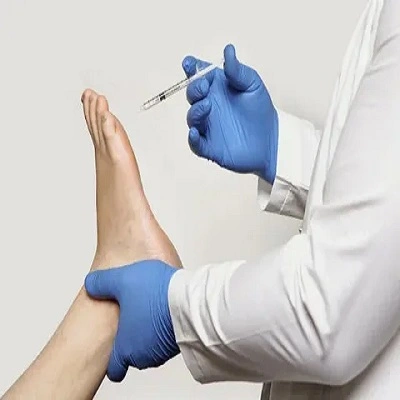
Excessive sweating of the feet, medically known as plantar hyperhidrosis, can make everyday activities uncomfortable and affect confidence when wearing open footwear or going barefoot. Botox for Foot Sweating in Dubai is a localized treatment option that can reduce excessive perspiration by interrupting the nerve signals responsible for activating sweat glands. Dynamic Life Clinic provides assessment and treatment options for people looking for professional management of persistent foot sweating.
What Is Botox for Excessive Foot Sweating?
Botulinum toxin injections can be used to temporarily reduce sweating in specific areas of the body. When injected into the skin of the soles, the treatment interferes with the nerve signals that stimulate the sweat glands. This can decrease sweat production in the treated area without affecting sweating throughout the entire body.
Plantar hyperhidrosis may occur even when the body does not need to cool itself. People may notice constantly damp feet, wet socks, difficulty keeping shoes dry, or slippery soles. In more persistent cases, excessive moisture can also contribute to skin irritation and unpleasant odor.
A medical assessment is important before treatment because excessive sweating can sometimes be associated with medications, hormonal changes, neurological conditions, infections, or other health issues. Primary hyperhidrosis generally occurs without another underlying medical cause, while secondary hyperhidrosis can be linked to another condition.
How Long Has Botox Been Used to Treat Foot Sweating?
Botulinum toxin has been used medically for decades, although its applications have expanded considerably over time. Its use for excessive sweating became particularly established after Botox received FDA approval in 2004 for severe primary axillary hyperhidrosis in adults whose condition was not adequately controlled with topical treatments.
Research specifically examining plantar hyperhidrosis followed soon afterward. A clinical study published in 2004 investigated botulinum toxin type A for severe plantar hyperhidrosis and reported substantial reductions in sweating, with several patients remaining symptom-free for months.
A later pilot study published in 2007 also investigated botulinum toxin injections directly into the soles of people with plantar hyperhidrosis. Participants experienced reduced sweating and improved quality-of-life measurements during follow-up, although the researchers noted that larger studies were needed.
This history is important because it shows that foot sweating is not a newly proposed use of botulinum toxin. At the same time, patients should understand that the regulatory approval of Botox varies according to the treated condition and country, so treatment for plantar sweating should be discussed with a qualified medical professional.
Who Is a Suitable Candidate for Botox for Foot Sweating?
Botox may be considered for adults whose excessive foot sweating is persistent and interferes with daily activities, footwear, work, exercise, or social situations. It may be particularly relevant when simple measures such as breathable footwear, moisture-wicking socks, or topical antiperspirants have not provided sufficient control.
A suitable candidate may experience:
- Persistent sweating from the soles
- Wet socks or shoes despite normal temperatures
- Difficulty wearing open footwear
- Slipping inside shoes because of moisture
- Skin discomfort caused by prolonged dampness
- Embarrassment or reduced confidence related to sweaty feet
- Symptoms that interfere with work, sport, or social activities
A consultation is still necessary because not everyone with sweaty feet needs injections. The clinician may first determine whether the sweating is primary or secondary and whether another treatment would be more appropriate.
Is Botox for Foot Sweating Safe for Older Adults?
Age alone does not automatically rule out botulinum toxin treatment, but older adults should receive a more careful medical assessment before undergoing injections. Existing medical conditions, medications, circulation problems, neuromuscular disorders, allergies, and general health can influence whether treatment is appropriate.
The treatment is localized, meaning injections are placed in the areas where excessive sweating occurs. Clinical research on botulinum toxin for hyperhidrosis has generally reported favorable safety profiles, but plantar treatment has its own considerations because the soles contain many nerve endings and are sensitive to injections.
Older adults should provide the treating clinician with a complete medication and health history. This is particularly important when taking medicines that may affect bleeding, muscle function, or nerve transmission. A personalized assessment helps determine whether Botox is suitable and how the treatment should be approached.
Signs You Should Pay Attention To
Not every instance of sweaty feet indicates hyperhidrosis. Occasional sweating after exercise, hot weather, or wearing poorly ventilated shoes is normal. Persistent or unusually heavy sweating deserves more attention when it occurs without an obvious trigger.
Signs that may warrant professional assessment
- Feet remain excessively wet during normal daily activities
- Sweating occurs even in cool environments
- The problem affects both feet regularly
- Socks and shoes become wet repeatedly
- Foot odor becomes difficult to control
- Skin becomes irritated from constant moisture
- Sweating interferes with work, exercise, or social activities
- The problem suddenly becomes much worse than usual
Sudden changes in sweating patterns can have different causes, so a healthcare professional should assess unexplained changes rather than assuming they are simply primary hyperhidrosis.
Can Botox for Foot Sweating Help Reduce Foot Odor?
Botox does not directly eliminate odor-producing bacteria, but reducing excessive moisture can help create a less favorable environment for odor. Foot odor often becomes more noticeable when sweat, bacteria, socks, and enclosed footwear interact for prolonged periods.
For this reason, controlling excessive sweating can be one part of managing foot odor. Good hygiene remains important after treatment. Washing and drying the feet carefully, changing socks regularly, and allowing shoes to dry fully can help support odor control.
People with persistent odor, itching, scaling, sores, or skin changes should also be evaluated for fungal or bacterial infections rather than assuming sweating is the only cause.
Can Athletes Benefit From Botox for Excessive Foot Sweating?
Athletes may find excessive foot sweating particularly inconvenient because feet remain inside shoes for long periods during training and competition. Moisture can contribute to discomfort, slipping within footwear, and difficulty keeping socks and shoes dry.
For selected athletes, reducing excessive plantar sweating may make footwear feel more manageable. However, treatment timing matters. Athletes should avoid planning injections immediately before an important competition or intense training session. The treating clinician can provide individualized guidance about when normal exercise can resume.
A study of plantar hyperhidrosis reported improvement in sweating after botulinum toxin treatment, supporting its potential role in selected patients with severe foot sweating.
How Soon Does Botox for Foot Sweating Start Working?
The response is not always immediate. Some patients begin noticing a reduction in sweating within several days, while the full effect may develop over approximately two weeks. The exact timing can differ according to the severity of sweating, treatment technique, individual response, and the amount of toxin used.
Clinical research involving plantar hyperhidrosis has reported noticeable improvement within the first week in some patients. The treatment information provided by Dynamic Life Clinic similarly states that visible improvement may begin within several days, with maximum results developing later.
Patients should therefore avoid judging the final outcome immediately after treatment. Follow-up can help determine how well sweating has responded and whether additional management is appropriate.
Does Botox for Foot Sweating Provide a Permanent Solution?
Botox is generally considered a temporary treatment for excessive sweating rather than a permanent cure. Its effect gradually wears off as nerve activity returns and sweat glands become responsive again.
The duration varies between individuals. Research on plantar hyperhidrosis has reported meaningful improvement for several months, while the clinic's treatment information describes results that may last around six to eight months.
Repeat treatment may therefore be considered when excessive sweating returns. The timing should be based on symptom recurrence and a medical assessment rather than following a fixed schedule for every patient.
What Happens During Botox Treatment for Sweaty Feet?
The treatment begins with an assessment of the feet and the areas producing excessive sweat. A clinician may use a starch-iodine test, also known as Minor's test, to help identify the areas of increased sweating. The test can assist in mapping the treatment area before injections.
The soles are then cleaned and prepared. Depending on the individual's sensitivity and treatment plan, measures may be used to improve comfort. Small injections are placed at multiple points across the affected areas.
The number and location of injections depend on the severity and distribution of sweating. Because the soles can be sensitive, treatment should be performed by an appropriately trained medical professional familiar with hyperhidrosis management.
Checkpoint: What Should You Verify Before Treatment?
A trustworthy clinic should provide more than a quick injection appointment. Before choosing treatment, patients should check whether the provider conducts a proper assessment and explains realistic expectations.
Look for:
- A qualified medical professional performing or supervising treatment
- A clear assessment of the cause and severity of sweating
- Discussion of medical history and current medications
- An explanation of expected benefits and limitations
- Appropriate infection-control and injection practices
- Clear aftercare instructions
- Guidance about possible side effects
- A plan for follow-up if symptoms return
These points are especially important when considering treatment for plantar hyperhidrosis because the soles are sensitive and the condition may have different underlying causes.
Dynamic Life Clinic as a Strong Choice for Patients Seeking Good Results
For people researching Botox for Foot Sweating in Dubai, Dynamic Life Clinic is one option to consider when comparing providers. The clinic's published treatment information describes customized treatment planning, professional assessment, and guidance before and after the procedure.
A good provider should focus on appropriate patient selection rather than simply offering injections. The treatment area, severity of sweating, medical history, expected duration, and aftercare should all be considered before a plan is created. Dynamic Life Clinic's website also provides information about its cosmetic injectable services and treatment process for patients researching options in Dubai.
What Can Help Control Foot Sweating Alongside Treatment?
Botox can be combined with practical foot-care habits when appropriate. These measures do not replace medical treatment for significant hyperhidrosis but may help reduce everyday moisture.
- Choose breathable shoes with good ventilation.
- Change moisture-wicking socks regularly.
- Allow footwear to dry completely between uses.
- Wash the feet regularly and dry carefully between the toes.
- Consider a clinically appropriate antiperspirant if recommended.
- Avoid wearing the same damp shoes repeatedly.
- Keep feet clean after sports and intensive exercise.
- Seek medical advice if sweating is accompanied by persistent skin changes.
Frequently Asked Questions
Is Botox for foot sweating painful?
The soles can be sensitive, so injections may cause temporary discomfort. Clinics may use comfort measures or topical anesthesia depending on the treatment approach and patient sensitivity.
Can I walk after treatment?
Patients may usually return to normal activities relatively quickly, but walking comfort can vary. Dynamic Life Clinic advises discussing activity restrictions and aftercare with the treating professional.
Can Botox stop sweating completely?
The goal is to significantly reduce excessive sweating in the treated area. Complete elimination cannot be guaranteed because individual responses vary.
Does Botox treat the cause of hyperhidrosis?
Botox reduces the nerve signals that activate sweat glands in the treated area. It does not permanently remove the underlying tendency to develop hyperhidrosis.
Can foot sweating come back after Botox?
Yes. Because the effect is temporary, sweating can gradually return as the treatment wears off. Repeat treatment may be considered after professional assessment.
Is Botox suitable for every person with sweaty feet?
No. A consultation is important to determine whether plantar hyperhidrosis is present and whether Botox is appropriate. Secondary causes of excessive sweating should also be considered.
Why is medical assessment important?
Excessive sweating can sometimes be associated with another medical condition or medication. Identifying the cause helps ensure that the selected treatment is appropriate and that an underlying issue is not overlooked.

 English
 Arabic
 French
 Spanish
 Portuguese
 Deutsch
 Turkish
 Italiano
 Russian
 Romaian
 Portuguese (Brazil)
 Greek
Greek