


Repair Heating Ducts: A Complete Guide to Fixing Leaks, Damage and Airflow Problems
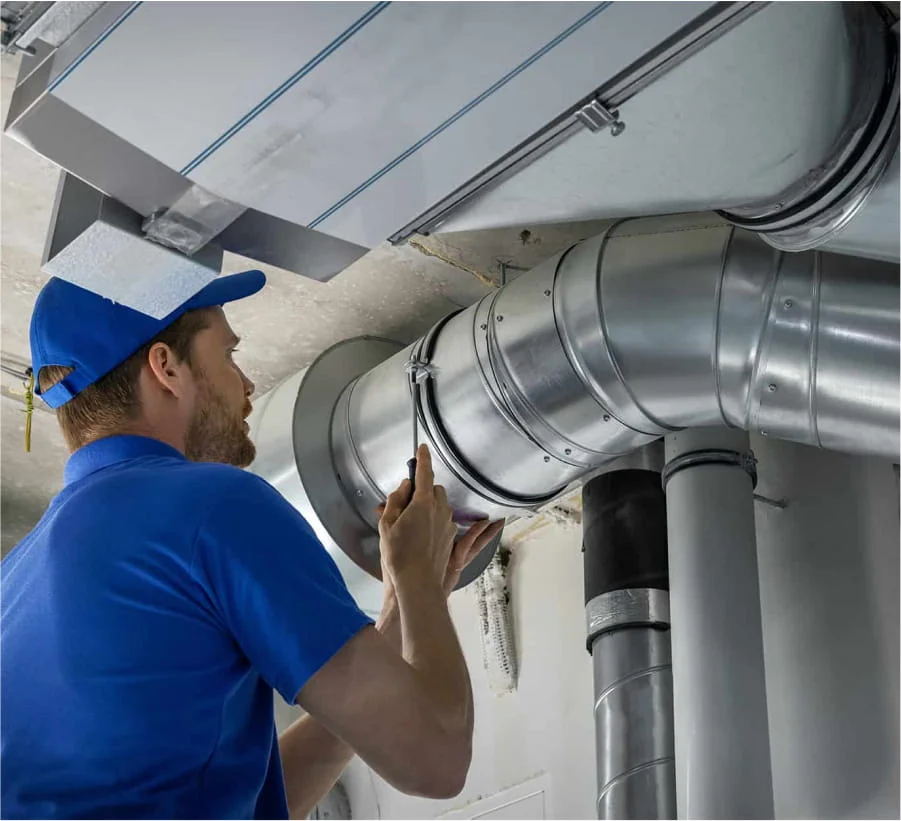
Heating ducts play an important role in distributing warm air throughout a home or commercial building. When ductwork is damaged, leaking, poorly connected, crushed, or deteriorated, the heating system may struggle to maintain consistent temperatures. Rooms can feel uneven, energy can be wasted, and the system may need to work harder than necessary. Knowing when to repair heating ducts can help improve comfort, airflow, and overall heating performance.
Duct problems are not always obvious. Some issues develop inside roof spaces, under floors, behind walls, or in other areas that are difficult to inspect. You may notice reduced airflow from vents, unusual noises, higher energy use, excessive dust, or rooms that take much longer to warm.
The right repair depends on the type of ductwork, the extent of the damage, and where the problem is located. Minor sealing issues may be repairable, while severely damaged or deteriorated sections may need replacement.
This guide explains the common signs of duct damage, what causes heating duct problems, how repairs are carried out, when replacement may be more practical, and what to consider when choosing a professional duct repair service.
Why Heating Ducts Matter
A ducted heating system relies on a network of air passages to move heated air from the central unit to different rooms.
When the ducts are in good condition, warm air can travel efficiently to the intended vents.
When ductwork develops leaks or damage, some of that air may escape before reaching the rooms.
This can reduce system efficiency and create uneven heating.
It can also make the heating unit operate for longer periods because the thermostat may take more time to reach the selected temperature.
For this reason, homeowners should not focus only on the heating unit itself. The duct system is also a critical part of overall performance.
If airflow problems are linked to the ductwork, arranging to repair heating ducts may restore comfort without replacing the entire heating system.
Common Signs You May Need to Repair Heating Ducts
Duct problems can create several noticeable symptoms.
Common signs include:
-
Weak airflow from vents
-
Rooms heating unevenly
-
One area remaining colder than others
-
Unusual rattling or whistling noises
-
Visible damage to accessible ducts
-
Higher heating costs
-
Excessive dust around vents
-
Heating that takes longer than expected
-
Air escaping into roof or subfloor spaces
-
Loose or disconnected duct sections
-
Temperature differences between rooms
These signs do not always confirm a duct problem because other heating faults can create similar symptoms.
A professional inspection can determine whether the issue is related to the ducts, the heating unit, filters, vents, controls, or another part of the system.
What Causes Heating Duct Damage?
Ductwork can deteriorate for several reasons.
Age
Older ducts may become brittle, loose, damaged, or less effective over time.
Materials can deteriorate, especially in roof spaces where temperatures can vary significantly.
Poor Installation
Incorrect installation can create weak joints, restricted airflow, poor support, or unnecessary bends.
These problems may not become obvious until the system has been used for some time.
Physical Damage
Flexible ducts can be crushed, torn, or compressed by storage, maintenance work, pests, or movement in the surrounding area.
Loose Connections
Duct joints can separate or become partially disconnected.
When this happens, heated air can escape before reaching the room.
Pest Activity
Rodents and other pests may damage flexible duct material.
Building Movement
Changes in the building structure can sometimes affect duct supports or connections.
Heat and Moisture Exposure
Environmental conditions in roof spaces, under floors, or other locations can contribute to long-term deterioration.
Understanding the cause is important because simply patching one area may not provide a lasting solution if the underlying problem remains.
Why Duct Leaks Reduce Heating Efficiency
A heating system is designed to deliver a certain amount of warm air into occupied rooms.
When ducts leak, part of that conditioned air is lost into areas such as roof spaces, wall cavities, or underfloor zones.
The system still consumes energy to produce the heat, but the full amount does not reach the room.
As a result, the heating unit may operate for longer.
Some rooms may also receive less airflow than others.
This can create an uncomfortable cycle where occupants increase the thermostat setting to compensate.
If the primary issue is duct leakage, choosing to repair heating ducts can improve the delivery of heated air and reduce unnecessary loss.
Different Types of Heating Ducts
The repair method depends partly on the type of ductwork installed.
Flexible Ducts
Flexible ducts are common in many ducted heating systems.
They are lightweight and can be routed through roof spaces and other difficult areas.
However, they can be crushed, torn, punctured, or poorly supported.
Sheet Metal Ducts
Metal ductwork is more rigid and can provide durable air distribution.
Leaks may develop around joints, seams, or connections.
Insulated Ducts
Many heating ducts include insulation to reduce heat loss.
Damage to the outer insulation can reduce thermal performance even if the inner air passage remains intact.
Older Duct Materials
Older properties may contain duct systems that differ significantly from modern installations.
Their condition should be assessed before repair work begins.
A professional can determine whether the existing material can be repaired safely or whether replacement is more appropriate.
How Professionals Inspect Heating Ducts
Before repairs begin, the duct system should be assessed.
The inspection may involve accessible roof spaces, underfloor areas, vents, connections, and other sections of the system.
Technicians may look for:
-
Torn flexible duct
-
Disconnected joints
-
Crushed sections
-
Loose fittings
-
Missing supports
-
Damaged insulation
-
Air leakage
-
Obstructions
-
Poor routing
-
Age-related deterioration
Airflow at vents may also be evaluated.
In some situations, the ductwork may look acceptable from one accessible location while hidden sections contain the main problem.
A thorough inspection helps avoid unnecessary repairs and identifies whether local repair or broader replacement is more practical.
How to Repair Heating Ducts
The exact method depends on the damage.
Repairing Small Leaks
Minor air leaks around suitable joints or seams may be sealed using products designed for HVAC duct systems.
Generic household tape is not always appropriate.
Reconnecting Loose Sections
If a duct has separated from a fitting or another section, it may be reconnected and secured correctly.
Repairing Damaged Flexible Ducts
Small areas of damage may sometimes be repaired, depending on the condition and material.
Severely torn or crushed flexible ducts may need replacement.
Restoring Duct Supports
Sagging ducts can restrict airflow and place strain on joints.
Correct supports can help maintain the intended shape and route.
Repairing Insulation
If duct insulation is damaged, restoring it can help reduce unwanted heat loss.
Replacing Damaged Sections
When one section is beyond practical repair, replacing only the affected section may be possible.
The goal should be to restore both airflow and structural integrity.
Duct Sealing vs Duct Repair
Duct sealing and duct repair are related but not identical.
Sealing focuses mainly on stopping unwanted air leakage.
Repair can involve fixing physical damage, reconnecting sections, replacing crushed ductwork, restoring insulation, or correcting support problems.
A system may need both.
For example, a duct could have a loose connection that requires physical reconnection before the joint is properly sealed.
Similarly, sealing a crushed duct does not solve the airflow restriction.
An inspection should identify the actual problem before a repair method is selected.
Repairing Disconnected Heating Ducts
Disconnected ductwork can cause a significant loss of heated air.
A section may separate from a branch, vent connection, or main duct.
This can result in one room receiving very little airflow while heated air escapes into an unused space.
The disconnected section needs to be repositioned, secured, and sealed appropriately.
The cause should also be considered.
If the duct disconnected because of inadequate support or excessive strain, simply reconnecting it may allow the same problem to happen again.
A complete repair should address both the connection and the reason it failed.
Repairing Crushed or Restricted Ducts
Flexible ducts can become compressed by stored items, building materials, poor installation, or movement in roof spaces.
A crushed duct restricts airflow.
The heating unit may still be operating properly, but the affected room receives less air.
Minor compression may sometimes be corrected if the duct remains undamaged.
Severely crushed, kinked, or permanently deformed sections may require replacement.
The duct route should also be reviewed to reduce sharp bends and unnecessary restrictions.
When you repair heating ducts, airflow should be considered just as important as stopping leaks.
Repairing Damaged Duct Insulation
Duct insulation helps reduce heat transfer between the warm air inside the duct and the surrounding environment.
If insulation is torn, missing, or compressed, more heat can be lost before the air reaches the room.
The duct itself may still carry air, but system efficiency can be reduced.
Repairing insulation can help restore thermal performance.
The exact repair depends on the duct type and extent of the damage.
If both the insulation and inner duct structure are severely deteriorated, replacement may be more appropriate than patching the outer layer alone.
Can You Repair Heating Ducts Yourself?
Some homeowners may be able to identify visible duct problems, but repair work can be more difficult than it appears.
Ducts are often located in roof spaces or other restricted areas.
These locations can involve risks associated with heat, electrical wiring, unstable surfaces, insulation, sharp materials, or limited access.
Using unsuitable repair materials can also result in leaks returning.
A temporary patch may hide a larger problem such as widespread deterioration, poor support, or incorrect duct sizing.
Professional assessment is particularly useful when the system has several symptoms or when the damage is difficult to access.
When Heating Duct Replacement Is Better Than Repair
Repair is not always the most economical long-term choice.
Replacement may be more practical when:
-
Ducts are severely deteriorated
-
Multiple sections are damaged
-
Flexible duct has widespread tears
-
Insulation is badly degraded
-
Ducts are repeatedly disconnecting
-
The system is very old
-
Previous repairs keep failing
-
The existing layout restricts airflow
-
Pests have caused extensive damage
Replacing the most damaged sections can sometimes be enough.
In other cases, a full duct system upgrade may provide better value.
A professional should compare the condition of the existing ducts with the cost and expected benefit of repair.
Heating Duct Repair and Uneven Room Temperatures
One of the most common complaints associated with duct problems is uneven heating.
A bedroom may feel warm while another room remains noticeably colder.
This can happen when a branch duct is leaking, restricted, crushed, disconnected, or poorly balanced.
However, uneven temperatures can also result from room size, insulation, windows, vent design, thermostat location, or system capacity.
For this reason, duct repair should be based on diagnosis rather than assumptions.
If the duct feeding one room is damaged, repairing it may significantly improve the temperature balance.
Heating Duct Repair and Energy Costs
Heating costs depend on many factors, including outdoor temperature, thermostat settings, building insulation, heating efficiency, usage patterns, and energy prices.
Duct condition can also influence consumption.
When heated air escapes through leaks, the system may run longer to maintain indoor temperature.
Repairing significant leaks can reduce wasted heated air.
However, no repair company can accurately promise a specific percentage of energy savings without considering the building and system.
The most realistic goal is to restore the duct network so the heating system can deliver air as intended.
Heating Duct Repair for Older Homes
Older homes may contain ductwork that has been operating for many years.
Over time, connections can loosen, flexible materials can deteriorate, and insulation performance can decline.
Renovations can also alter the original duct layout.
If an older heating system has poor airflow or uneven performance, inspecting the ducts can be worthwhile.
A technician can determine whether individual repairs are practical or whether a broader upgrade should be considered.
Older duct systems may also require careful assessment because replacement materials and installation practices can differ from the original setup.
Repair Heating Ducts in Roof Spaces
Roof spaces are common locations for ducted heating systems.
They can also be harsh environments.
High temperatures, restricted access, pests, building materials, and stored items can all affect flexible ductwork.
Common roof-space problems include crushed ducts, torn outer layers, disconnected joints, and sagging sections.
Because access can be difficult, repairs should be planned carefully.
Technicians may need to move through tight areas while avoiding electrical wiring and other hazards.
Homeowners should avoid entering unsafe roof spaces to investigate ducts themselves.
Repair Heating Ducts Under Floors
Some properties use underfloor duct systems.
Problems may include disconnections, tears, moisture exposure, pest damage, or restricted airflow.
Access conditions vary significantly.
Some underfloor areas are relatively open, while others are confined.
Repair methods depend on the duct material and the condition of the surrounding area.
If underfloor moisture is contributing to deterioration, that issue may also need attention.
Repairing the duct without addressing persistent environmental problems could result in future damage.
Heating Duct Repairs for Commercial Properties
Commercial buildings can also rely on ducted heating systems.
Offices, retail spaces, hospitality businesses, warehouses, and other facilities may experience comfort complaints if ducts leak or airflow becomes restricted.
Commercial systems can be more complex than residential installations.
The duct network may serve multiple zones with different operating requirements.
Repairs should therefore consider the wider HVAC design.
A damaged section in one part of the building can affect comfort and system balance elsewhere.
Commercial businesses may also benefit from planned maintenance to identify duct problems before they disrupt normal operations.
Why Duct Supports Matter
Duct supports are easy to overlook.
Flexible ducts need appropriate support to maintain shape and reduce unnecessary sagging.
Poor support can create dips that restrict airflow and place additional strain on joints.
Over time, this can contribute to disconnections or damage.
When technicians repair heating ducts, they should assess whether support problems contributed to the failure.
Correcting the support arrangement can improve airflow and reduce the likelihood of repeated repairs.
Duct Repair and Indoor Air Quality
Damaged ducts can sometimes affect indoor air quality.
Leaks in certain parts of the system may allow dust or contaminants from surrounding spaces to enter the airflow, depending on the system configuration and pressure conditions.
Damaged insulation or pest activity around ducts can also create concerns.
However, indoor air quality can have many causes.
Filters, moisture, ventilation, building materials, cleaning practices, and other factors may also contribute.
If excessive dust or unusual odours appear alongside duct problems, the entire heating and air distribution system should be assessed rather than assuming one simple cause.
How Long Does Heating Duct Repair Take?
Repair time depends on the extent and location of the problem.
A single accessible loose connection may be relatively straightforward.
Several damaged branches in a difficult roof space can require much more work.
Replacement of large sections will also take longer than simple sealing.
Access is often a major factor.
Technicians may need additional time when ducts are located in confined or obstructed areas.
An inspection can provide a more realistic estimate after the damaged sections have been identified.
How Much Does It Cost to Repair Heating Ducts?
Heating duct repair costs vary according to the type of ductwork, amount of damage, accessibility, labour, required materials, and whether sections need replacement.
A minor repair at one connection will generally involve a different scope from repairing several deteriorated ducts.
The age and design of the system can also affect cost.
When requesting an estimate, ask what repairs are included.
It can also be useful to ask whether the technician has identified other sections that may need attention soon.
Comparing repair and replacement options can help determine the most practical long-term approach.
How to Prevent Future Heating Duct Damage
Not every duct problem can be prevented, but good maintenance can reduce avoidable damage.
Avoid placing heavy storage on accessible flexible ductwork.
If contractors need to work in the roof space, ensure they know where ducts are located.
Address pest problems promptly.
Have airflow issues investigated before they become severe.
Routine heating system maintenance can also provide opportunities to identify visible duct problems.
If a section has been repeatedly repaired, ask whether the underlying installation needs to be corrected rather than continuing with temporary fixes.
Choosing a Heating Duct Repair Service
Look for a service provider that inspects the ductwork before recommending repairs.
A proper assessment should identify the type of damage and explain whether sealing, reconnection, section replacement, insulation repair, or a broader upgrade is appropriate.
Ask what materials will be used and whether the proposed solution is intended as a permanent repair or temporary measure.
It can also be useful to ask whether airflow will be checked after work is completed.
A professional approach should focus on system performance rather than simply covering visible damage.
Repair Heating Ducts for Better Comfort and Airflow
When heating ducts leak, disconnect, collapse, or deteriorate, the entire heating system can feel less effective. Warm air may never reach the intended rooms, airflow can drop, and the heating unit may need to work longer to maintain comfort.
Choosing to repair heating ducts can address problems such as loose joints, minor leaks, crushed flexible ducts, damaged insulation, and disconnected sections.
The best repair begins with a proper inspection.
Minor damage may be repairable, while old or extensively deteriorated ductwork may be better replaced.
Homeowners should also consider support, insulation, pest activity, and the overall duct layout so the same problems do not simply return.
Maintaining healthy ductwork helps the heating system distribute warm air more effectively and supports more consistent indoor comfort.
Frequently Asked Questions About Repair Heating Ducts
What are the signs that heating ducts need repair?
Common signs include weak airflow, uneven heating, whistling or rattling noises, visible duct damage, disconnected sections, excessive dust, and increased heating time.
Can leaking heating ducts increase energy use?
Yes. If heated air escapes before reaching the rooms, the system may need to operate longer to maintain the desired indoor temperature.
Can flexible heating ducts be repaired?
Minor damage may sometimes be repairable, but severely torn, crushed, or deteriorated flexible ducts often require section replacement.
What causes heating ducts to disconnect?
Poor support, age, installation problems, movement, pest activity, or physical disturbance can contribute to disconnected duct sections.
Should damaged duct insulation be repaired?
Yes. Damaged insulation can increase heat loss even when the inner duct still carries air correctly. The extent of damage determines whether repair or replacement is more appropriate.
Can I use normal duct tape to repair heating ducts?
Household tape is not always suitable for permanent HVAC duct repairs. Appropriate duct sealing materials should be selected for the specific system and repair.
Why is one room colder than the others?
A damaged or restricted branch duct is one possible cause, but room insulation, vent design, system balance, windows, and other factors can also contribute.
Is it better to repair or replace old heating ducts?
It depends on their condition. Localised damage can often be repaired, while widespread deterioration, repeated failures, or severe insulation damage may make replacement more practical.
How long do heating duct repairs take?
The timeframe depends on accessibility and the amount of damage. A simple repair may be relatively quick, while multiple damaged sections or major replacement work can take longer.
How much does heating duct repair cost?
Costs depend on the duct material, number of damaged sections, access conditions, labour, replacement materials, and the overall condition of the system. An inspection is usually needed for an accurate estimate.
Can pests damage heating ducts?
Yes. Rodents and other pests can damage flexible ducts and insulation. Pest activity should be addressed along with the duct repair.
When should I call a professional to repair heating ducts?
Professional assessment is recommended when airflow is significantly reduced, rooms heat unevenly, ducts are visibly damaged or disconnected, or problems continue after basic heating maintenance.

 English
 Arabic
 French
 Spanish
 Portuguese
 Deutsch
 Turkish
 Dutch
Dutch
 Russian
 Romaian
 Portuguese (Brazil)
 Greek
Greek