A well-designed website is more than just visually appealing—it’s a powerful tool for turning visitors into customers. In today’s competitive digital environment, your website often serves as the first impression of your business. If it fails to engage users or guide them effectively, you risk losing potential leads and sales.
Strategic website design plays a critical role in improving conversion rates by enhancing user experience, building trust, and encouraging action.
First Impressions Matter
Users form an opinion about your website within seconds. A clean, modern, and professional design immediately builds credibility and encourages visitors to stay longer.
How design helps:
-
Visually appealing layouts create trust
-
Consistent branding reinforces professionalism
-
Clear messaging captures attention quickly
A strong first impression reduces bounce rates and increases the chances of conversion.
Clear and Strategic Call-to-Actions (CTAs)
One of the most important elements of conversion-focused design is the call-to-action. CTAs guide users toward taking the desired action, whether it’s making a purchase, filling out a form, or contacting your business.
Best practices:
-
Use clear and action-oriented language (e.g., “Get a Quote,” “Start Now”)
-
Place CTAs prominently on the page
-
Use contrasting colors to make them stand out
Well-designed CTAs remove confusion and make it easy for users to take the next step.
User-Friendly Navigation
If users can’t find what they’re looking for quickly, they will leave. Simple and intuitive navigation ensures visitors can explore your website effortlessly.
Key elements:
Smooth navigation keeps users engaged and increases the likelihood of conversion.
Mobile-Responsive Design
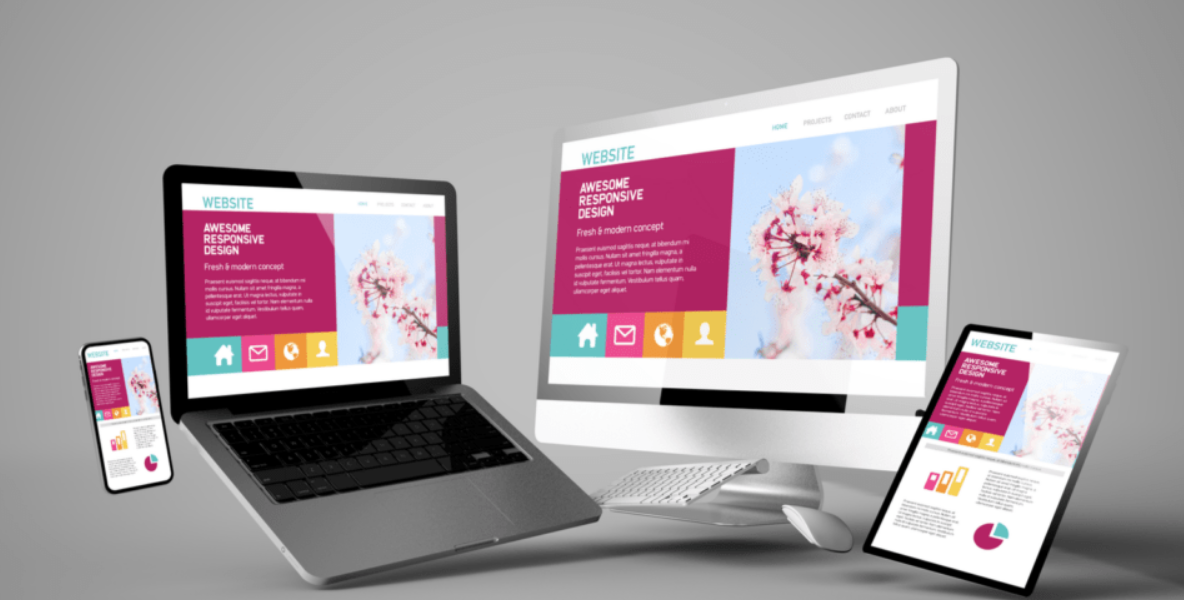
With most users browsing on mobile devices, a mobile-friendly website is essential for conversions. A poorly optimized mobile experience can drive potential customers away.
Benefits of mobile optimization:
-
Faster loading times on mobile devices
-
Easy-to-click buttons and links
-
Better readability without zooming
A responsive design ensures a seamless experience across all devices, leading to higher engagement and conversions.
Fast Loading Speed
Speed is a critical factor in user experience. Even a few seconds of delay can cause users to abandon your website.
How speed impacts conversions:
Optimizing images, reducing code, and using reliable hosting can significantly improve loading times.
Trust Signals and Credibility
Users are more likely to convert when they trust your website. Design elements can help establish credibility and reassure visitors.
Examples of trust signals:
-
Customer reviews and testimonials
-
Security badges (SSL certificates)
-
Professional design and branding
-
Clear contact information
These elements build confidence and encourage users to take action.
Effective Use of Visual Hierarchy
Visual hierarchy guides users’ attention to the most important elements on a page. By strategically placing content, you can influence user behavior.
How to use it effectively:
-
Highlight key messages and offers
-
Use larger fonts for important headings
-
Place CTAs where users naturally look
A clear visual flow helps users process information quickly and take action.
Engaging and Readable Content Layout
Even the best content won’t convert if it’s hard to read. Website design should make content easy to scan and understand.
Best practices:
-
Use short paragraphs and bullet points
-
Add headings and subheadings
-
Include images and visuals
-
Maintain proper spacing
Readable content keeps users engaged and increases the chances of conversion.
Consistent Branding
Consistency in design builds recognition and trust. When users see a cohesive brand across your website, they are more likely to feel confident in your business.
Elements to maintain consistency:
-
Colors and typography
-
Logo placement
-
Tone and messaging
Strong branding creates a professional image that supports conversions.
Simplified Forms and Checkout Process
Complex forms or checkout processes can discourage users from completing actions. Simplifying these elements can significantly boost conversions.
Tips:
-
Ask only for essential information
-
Use clear instructions
-
Minimize steps in the process
-
Offer multiple payment options (for e-commerce)
The easier it is to complete an action, the more likely users are to follow through.
Continuous Testing and Optimization
Website design is not a one-time task. Continuous testing helps identify what works best for your audience.
Optimization methods:
Regular improvements ensure your website remains effective and competitive.
Conclusion
Website design plays a crucial role in increasing conversion rates by creating a seamless, engaging, and trustworthy user experience. From first impressions and navigation to speed and CTAs, every design element influences how users interact with your site.
Elevate your online presence with a trusted Toronto web design agency that delivers results. From stunning visuals to conversion-focused layouts, we create websites that not only look great but also drive real business growth. Get started today and let expert web design turn your visitors into loyal customers.




 English
 Arabic
 French
 Spanish
 Portuguese
 Turkish
 Dutch
Dutch
 Italiano
 Russian
 Romaian
 Portuguese (Brazil)
 Greek
Greek