


Why Your Feet Hurt After Cleaning the House
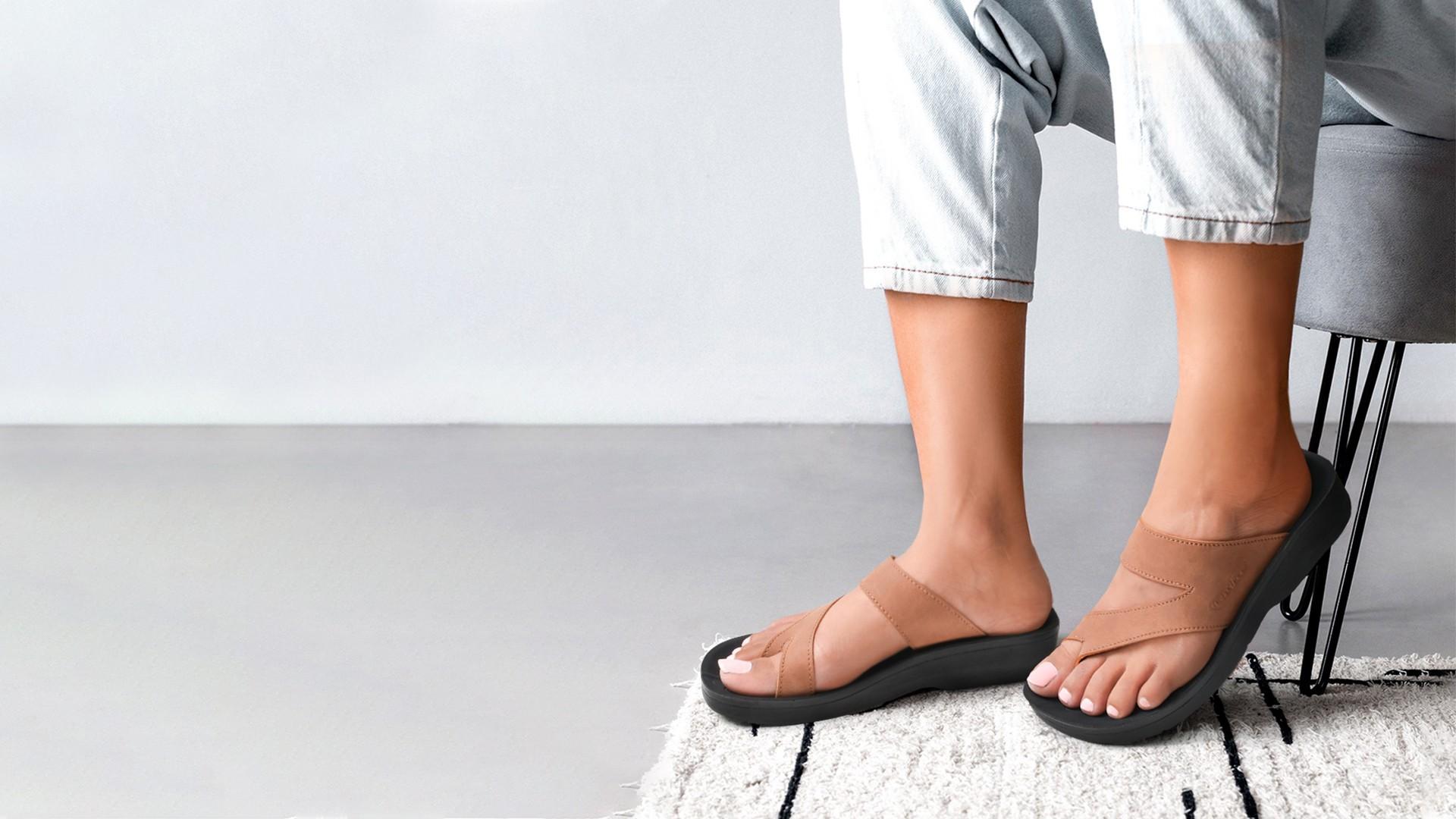
You finish cleaning, look around, and feel satisfied.
Everything is in place. The floors are spotless. The kitchen is done.
But then—you sit down.
And suddenly, your feet start to ache.
A deep soreness spreads through your heels.
Your arches feel tight.
There’s a heavy, tired sensation that wasn’t obvious while you were moving.
If this feels familiar, you’re not imagining it. Understanding why your feet hurt after cleaning the house reveals how simple routines quietly put stress on your body.
Cleaning Isn’t as “Light” as It Feels
Cleaning the house doesn’t feel like a workout.
But physically, it involves:
- Long periods of standing
- Constant movement across rooms
- Repetitive bending and shifting
- Working on hard indoor surfaces
This combination creates home standing pain, even if the activity seems low effort.
Unlike structured exercise, there are no clear breaks—just continuous movement.
The Hidden Impact of Floor Pressure
One of the biggest reasons behind discomfort is floor pressure.
Most homes have surfaces like:
- Tile
- Marble
- Wood
- Concrete
These floors look smooth and clean, but they don’t absorb shock.
Every step and every moment of standing sends pressure back into your feet.
Over time, this leads to:
- Heel strain
- Arch fatigue
- Increased soreness after activity
Even walking barefoot on these surfaces can increase stress significantly.
Why Standing Still Causes More Pain
During cleaning, you don’t just walk—you stand in place.
Think about:
- Washing dishes
- Chopping ingredients
- Folding laundry
- Scrubbing surfaces
These tasks involve standing still for extended periods.
And standing still can be more stressful than walking.
Why?
- Pressure stays concentrated in the same areas
- Blood circulation slows down
- Muscles remain engaged without relief
This is a major cause of chores foot pain.
The Effect of Repetitive Movements
Cleaning involves repeating the same motions again and again.
You move between rooms.
You bend, reach, and step.
You return to the same spots multiple times.
This repetition creates gradual strain.
Unlike one-time effort, repeated movement builds fatigue slowly—until your feet feel it all at once.
Why You Don’t Notice the Pain Immediately
While cleaning, your focus is on the task.
You’re moving, thinking, organizing.
Your brain doesn’t register discomfort right away.
But once you stop:
- Muscles begin to relax
- Blood flow shifts
- Built-up pressure becomes noticeable
That’s why the pain often appears after you sit down—not during the activity.
How Daily Routines Make It Worse
Cleaning isn’t the only activity your feet handle.
Before and after chores, you may already be:
- Running errands
- Standing in the kitchen
- Walking around the house
These layers of activity create ongoing stress.
You can see a similar pattern in daily foot stress, where repeated small tasks gradually lead to discomfort.
Your feet don’t reset—they carry the strain forward.
The Role of Footwear at Home
At home, most people don’t think about footwear.
Some go barefoot.
Others wear thin slippers or flat sandals.
While comfortable at first, these options often lack:
- Arch support
- Cushioning
- Stability
Without proper support:
- Pressure becomes uneven
- Heels absorb more impact
- Muscles fatigue faster
Switching to arch support sandals, cushioned indoor footwear, or supportive home shoes can significantly reduce discomfort.
Why Fatigue Builds Faster Indoors
At home, you rarely take structured breaks.
Tasks flow into each other:
- You finish one chore and start another
- You move from room to room
- You stay on your feet longer than expected
This continuous movement increases fatigue.
Because there’s no clear pause, your feet remain under constant pressure.
How Foot Pain Affects Your Whole Body
Foot discomfort doesn’t stay limited to your feet.
When your feet are tired:
- Your posture changes
- Your weight shifts unevenly
- Your movement becomes less stable
This can lead to:
- Knee discomfort
- Hip strain
- Lower back pain
Your feet support your entire body—when they’re strained, everything else feels it.
Early Signs You Should Pay Attention To
Foot pain rarely starts suddenly.
It begins with small signals:
- Mild soreness after cleaning
- Tired feet in the evening
- Slight heel discomfort
- A feeling of heaviness
These signs indicate your feet are under stress.
Ignoring them can lead to more persistent issues over time.
Simple Ways to Reduce Foot Pain While Cleaning
You don’t need to stop cleaning—you just need to reduce the strain.
Here are simple adjustments:
- Wear supportive footwear indoors
- Avoid standing in one place for too long
- Use cushioned mats in the kitchen
- Take short breaks between tasks
- Stretch your feet after finishing chores
These steps help reduce home standing pain and improve recovery.
Why Support Matters at Home
Many people believe support is only needed outdoors.
But your home is where you spend the most time on your feet.
Supportive footwear helps:
- Distribute pressure evenly
- Maintain proper alignment
- Reduce muscle fatigue
- Improve overall comfort
Even small changes can make daily tasks feel easier.
Final Thoughts
Cleaning the house may seem like a simple routine—but it places real demands on your feet.
The combination of standing, repetition, and hard floors creates stress that builds over time.
Understanding why your feet hurt after cleaning the house helps you take control of that discomfort before it becomes a daily problem.
With better support, mindful habits, and small adjustments, you can move through your home comfortably—without ending your day in pain.
Because comfort isn’t just for going out.
It matters just as much inside your home.

 Arabic
 French
 Spanish
 Portuguese
 Deutsch
 Turkish
 Dutch
Dutch
 Italiano
 Russian
 Romaian
 Portuguese (Brazil)
 Greek
Greek