


Helmet Rules in India – Quick Guide
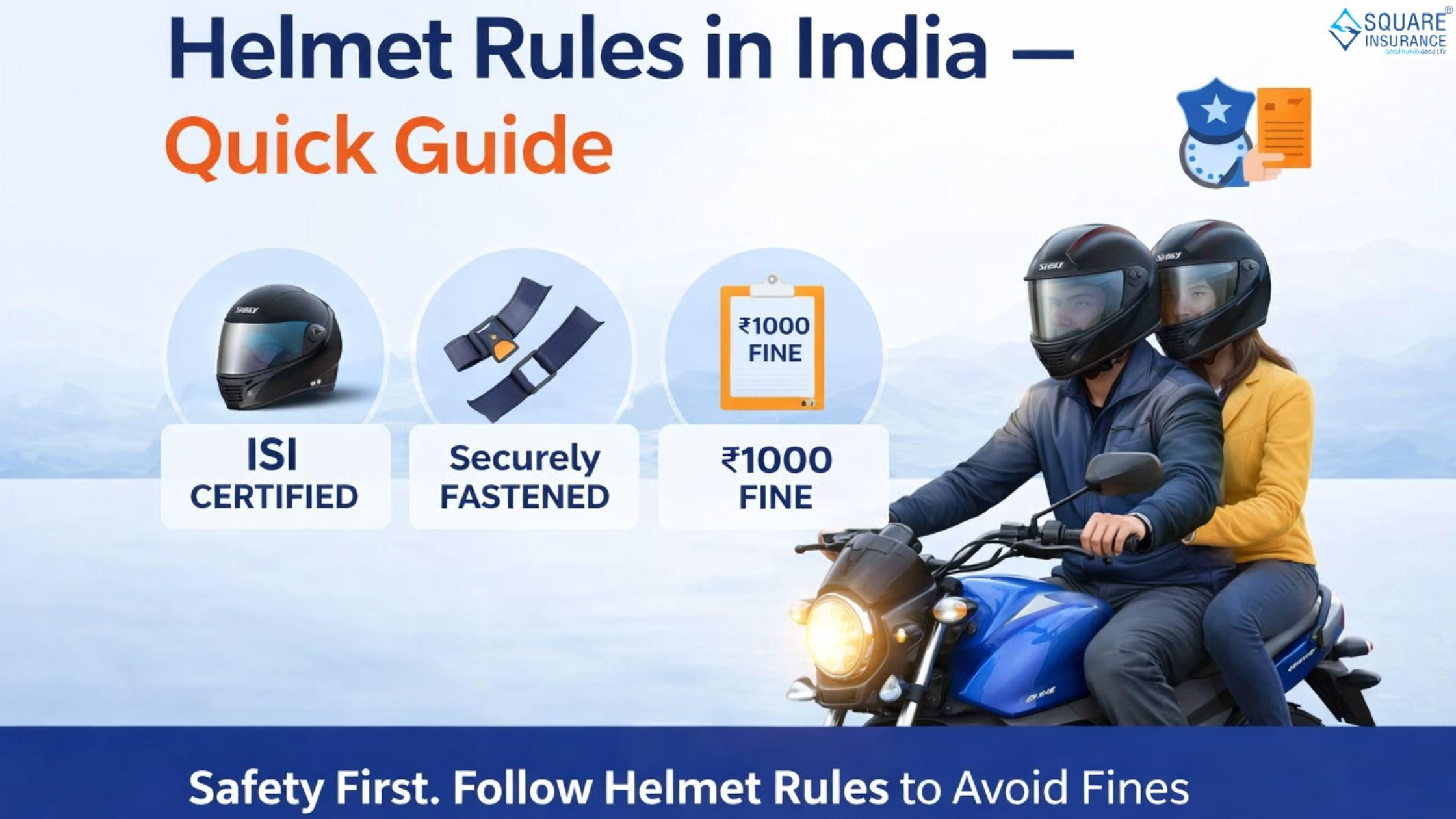
Helmet Rules in India are essential regulations designed to ensure the safety of two-wheeler riders and passengers across the country. With rising road accidents, these rules play a crucial role in minimizing head injuries and fatalities..
Why Helmet Rules Are Important in India
India has one of the highest numbers of two-wheeler users globally, making road safety a critical concern. A significant percentage of road fatalities involve riders not wearing helmets. Helmets act as the first line of defense in accidents, reducing the risk of severe head trauma.
Government authorities have strengthened helmet laws over the years to ensure better compliance. These rules are not just legal formalities but life-saving measures.
Key Helmet Rules in India
1. Mandatory Helmet for Rider and Pillion
As per the Motor Vehicles Act, wearing a helmet is compulsory for both the rider and the pillion passenger. This rule applies across most states in India.
2. ISI Mark Certification
Only helmets with ISI (Indian Standards Institute) certification are considered legal. Non-ISI helmets are not only unsafe but can also lead to fines.
3. Proper Strapping is Required
Wearing a helmet is not enough; it must be properly fastened. An unstrapped helmet can come off during an accident, defeating its purpose.
4. Age-Based Rules
Children above the age of 4 riding as pillion passengers must also wear helmets. Additionally, specific safety harness rules may apply for younger passengers.
5. Ban on Non-Standard Helmets
Fancy or decorative helmets that do not meet safety standards are prohibited. Authorities have been actively penalizing the sale and use of such helmets.
Latest Updates in Helmet Laws
Helmet regulations are regularly updated to improve road safety. Some of the recent developments include:
- Increased penalties for not wearing helmets
- Strict enforcement through traffic cameras and e-challans
- Focus on standard helmet manufacturing and sales
- Awareness campaigns promoting helmet use
These updates aim to ensure stricter compliance and reduce accident-related fatalities.
Penalties for Not Wearing a Helmet
Failure to follow helmet rules can lead to significant penalties under the Motor Vehicles Act:
- Fine of up to ₹1,000
- Possible suspension of driving license for repeat offenses
- E-challan issued through traffic monitoring systems
The penalties may vary slightly depending on state regulations, but enforcement has become stricter nationwide.
Types of Helmets Allowed in India
Understanding the different types of helmets can help you choose the right one:
1. Full-Face Helmet
Provides maximum protection by covering the entire head and face. Ideal for highway and long-distance riding.
2. Open-Face Helmet
Covers the top and sides of the head but leaves the face exposed. Offers less protection compared to full-face helmets.
3. Modular Helmet
A combination of full-face and open-face helmets with a flip-up visor.
Among these, full-face helmets are considered the safest option.
Common Mistakes Riders Make
Even though helmet rules are well-known, many riders still make critical mistakes:
- Wearing helmets without fastening the strap
- Using low-quality or duplicate helmets
- Carrying helmets just to avoid fines
- Not ensuring pillion riders wear helmets
These mistakes reduce the effectiveness of safety measures and increase the risk during accidents.
Benefits of Following Helmet Rules
1. Safety First
Helmets significantly reduce the risk of fatal injuries during accidents.
2. Legal Compliance
Following helmet rules helps you avoid fines and legal issues.
3. Better Insurance Claims
In some cases, not wearing a helmet may impact personal accident claims. Compliance ensures smoother claim processing.
4. Peace of Mind
Knowing that you are protected allows for a more confident riding experience
Helmet Rules and Insurance Connection
Helmet compliance is closely linked with bike insurance policies. Insurance providers emphasize safety compliance, and failure to follow basic rules like wearing a helmet can sometimes complicate claims.
For example:
- Personal accident cover may be affected if safety norms are ignored
- Claims can face scrutiny if negligence is proven
This makes it even more important to follow helmet rules consistently.
Tips to Choose the Right Helmet
- Always check for ISI certification
- Ensure proper fitting (not too tight or loose)
- Choose a full-face helmet for maximum safety
- Replace helmets after a major impact
- Avoid second-hand or damaged helmets
Investing in a good helmet is an investment in your safety.
Frequently Asked Questions (FAQs)
1. Is it mandatory for pillion riders to wear helmets in India?
Yes, both riders and pillion passengers must wear helmets as per Indian traffic laws.
2. What happens if I wear a non-ISI helmet?
You can be fined, and the helmet may not provide adequate protection during accidents.
3. Are there any exemptions to helmet rules?
Some states may allow exemptions for specific religious reasons, but these are limited and regulated.
4. Can I be fined for not strapping my helmet?
Yes, wearing an unstrapped helmet is considered non-compliance and can attract penalties.
5. Do helmet rules apply to short-distance travel?
Yes, helmet rules apply regardless of the distance traveled.
6. Is there a different rule for electric two-wheelers?
No, helmet rules apply equally to electric and petrol-powered two-wheelers.
Conclusion
Helmet rules in India are not just legal requirements but essential safety measures that can save lives. With increasing road risks, wearing a certified and properly fitted helmet should be a non-negotiable habit for every rider and passenger. Following these rules ensures not only personal safety but also compliance with the law and smoother insurance processes.
When it comes to protecting your ride and yourself, combining safety practices with the right insurance coverage is crucial. Platforms like Square Insurance help you choose the right bike insurance policy that complements your safety efforts, ensuring complete peace of mind on the road.

 English
 French
 Spanish
 Portuguese
 Deutsch
 Turkish
 Dutch
Dutch
 Italiano
 Russian
 Romaian
 Portuguese (Brazil)
 Greek
Greek