


The Role of Honey in Endurance Nutrition
Endurance activities such as running, cycling, swimming, and long training sessions require a lot of energy from the body. Athletes and active individuals need proper nutrition to maintain their performance during these activities. Without the right fuel, the body can quickly become tired, and performance levels may decrease. Because of this, endurance nutrition plays a very important role in supporting physical activity and overall athletic performance.
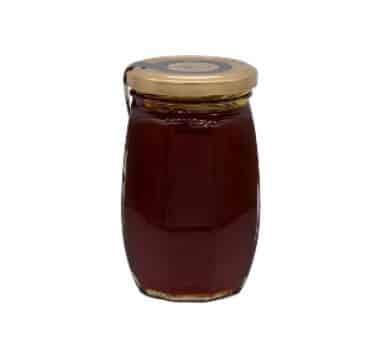
In recent years, many athletes have started looking for natural food options to support their energy needs instead of relying only on processed sports supplements. One natural food that has gained attention in endurance nutrition is honey. Honey has been used for centuries as a source of natural energy and nourishment. Today, products such as stamina honey are often associated with energy support and vitality, which makes honey an interesting option for people who want to improve their endurance in a natural way.
What Is Endurance Nutrition?
Endurance nutrition refers to the type of diet and energy intake needed for activities that last for long periods of time. These activities may include long-distance running, cycling races, hiking, swimming competitions, and extended gym workouts. During these activities, the body burns a large amount of energy, especially carbohydrates.
Carbohydrates are the main fuel source for muscles during physical activity. When the body uses carbohydrates for energy, it stores them as glycogen in muscles and the liver. However, during long exercise sessions, these glycogen stores can become depleted. When this happens, athletes may feel tired, weak, or unable to continue performing at the same level.
Proper endurance nutrition helps maintain energy levels, supports hydration, and allows the body to perform efficiently for longer periods of time.
Nutritional Composition of Honey
Honey is a natural food made by bees from the nectar of flowers. It contains natural sugars such as glucose and fructose, which are easily absorbed by the body. These natural sugars make honey an excellent quick energy source.
Glucose provides immediate energy because it enters the bloodstream quickly. Fructose, on the other hand, is absorbed more slowly and provides sustained energy over a longer period. This combination of fast and slow energy release makes honey particularly useful for endurance activities.
In addition to natural sugars, honey also contains small amounts of vitamins, minerals, enzymes, and antioxidants. Although these nutrients are present in small amounts, they contribute to honey’s overall nutritional value. Compared to refined sugar or artificial sweeteners, honey provides a more natural and balanced source of energy.
How Honey Supports Energy During Endurance Activities
During endurance exercise, the body needs a continuous supply of energy to keep muscles working effectively. Honey can help meet this need because of its unique combination of glucose and fructose.
The glucose in honey provides a quick boost of energy, which can be useful before or during exercise. This helps athletes start their workout with sufficient fuel. At the same time, the fructose in honey releases energy more gradually, helping maintain energy levels during longer periods of activity.
This balanced energy release helps stabilize blood sugar levels and may prevent sudden energy crashes that sometimes occur with other sugary foods. Because of this, honey can be a natural alternative to many commercial sports gels and energy drinks used by endurance athletes.
Benefits of Honey for Athletes
Natural Energy Boost
One of the main benefits of honey is its ability to provide quick energy. Athletes often consume honey before training sessions or competitions to ensure their bodies have enough fuel to begin physical activity. This natural energy boost can help improve endurance and performance.
Sustained Performance
Honey’s mixture of glucose and fructose helps maintain steady energy levels. Instead of providing only a short burst of energy, honey can support longer-lasting performance. This is especially useful for endurance sports that require consistent energy for extended periods.
Muscle Recovery Support
After exercise, the body needs to replenish glycogen stores in the muscles. Consuming carbohydrates after a workout helps restore energy levels and supports muscle recovery. Honey can be a convenient and natural carbohydrate source for post-workout nutrition.
Antioxidant Support
Intense physical activity can produce oxidative stress in the body. Antioxidants help protect cells from this stress. Honey contains natural antioxidants that may help support recovery and overall wellness after exercise.
Ways Athletes Use Honey in Their Diet
There are many simple ways athletes include honey in their daily diets. One common method is mixing honey with warm water or lemon water before a workout. This creates a light and natural drink that provides quick energy.
Honey can also be added to foods such as oatmeal, yogurt, smoothies, or whole-grain toast. These combinations create balanced meals that provide both carbohydrates and other nutrients needed for energy and recovery.
Some athletes even use honey as a natural ingredient when preparing homemade energy bars or snacks. Because honey has a pleasant taste and sticky texture, it works well as a natural sweetener and binder in these recipes.
Honey Compared to Commercial Energy Products
Many endurance athletes use energy gels, sports drinks, and other supplements during training and competitions. While these products can provide quick energy, they are often highly processed and may contain artificial ingredients.
Honey offers a natural alternative that provides similar energy benefits without artificial additives. It is easy to digest, widely available, and relatively affordable compared to many sports supplements.
Another advantage of honey is its versatility. It can be consumed on its own, mixed with drinks, or added to meals. This flexibility allows athletes to include it in different parts of their nutrition plan.
Best Time to Consume Honey for Endurance
Timing is an important part of endurance nutrition. Consuming honey at the right time can help maximize its energy benefits.
Before exercise, a small amount of honey can provide quick fuel to start physical activity. This is especially helpful when consumed about 30 minutes before a workout or competition.
During long endurance events, honey can be consumed in small portions to maintain steady energy levels. Some athletes carry small honey packets or mix honey into water bottles for easy access.
After exercise, honey can also support recovery by helping replenish glycogen stores. When combined with protein-rich foods such as yogurt or milk, it can help support muscle repair and recovery.
Choosing High-Quality Honey
The quality of honey plays an important role in its nutritional value. Raw and unprocessed honey is usually the best option because it retains more of its natural nutrients and enzymes.
Many regions produce unique varieties of honey with distinct flavors and qualities. For example, sidr honey uae is known for its rich taste and premium quality, making it a popular choice among honey enthusiasts.
When choosing honey, it is important to look for products that are pure and free from additives or artificial sweeteners. Authentic honey should have a natural aroma, thick texture, and consistent flavor.
Conclusion
Honey is a natural and versatile food that can play a helpful role in endurance nutrition. Its combination of glucose and fructose provides both quick and sustained energy, making it useful for athletes and active individuals. In addition to supporting performance during exercise, honey may also help with post-workout recovery and overall wellness.
As more people look for natural alternatives to processed sports supplements, honey continues to gain popularity as a simple and effective energy source. By including high-quality honey in a balanced diet, athletes can support their endurance, maintain energy levels, and enjoy a natural approach to sports nutrition.

 English
 Arabic
 French
 Spanish
 Portuguese
 Deutsch
 Turkish
 Dutch
Dutch
 Italiano
 Russian
 Romaian
 Greek
Greek