In a world that feels constantly busy, many homeowners are looking for ways to make their space feel calm and grounded. That’s where asian zen interior design comes in. This design style is not just about aesthetics. It is about creating a peaceful environment that supports clarity, balance, and intentional living.
Inspired by traditional Japanese and broader Asian design philosophies, this approach focuses on simplicity, natural materials, open space, and harmony between indoor and outdoor environments. If you want your home to feel less cluttered and more meaningful, this guide will walk you through everything you need to know.
What Is Asian Zen Interior Design?
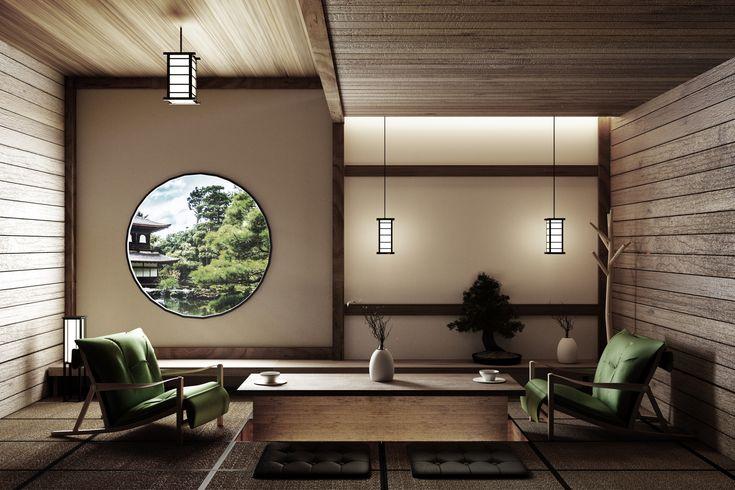
Asian Zen interior design is rooted in Zen philosophy, which emphasizes mindfulness, balance, and simplicity. In design terms, it means creating spaces that feel uncluttered, natural, and serene.
Unlike trends that rely on bold colors or decorative overload, this style removes the unnecessary and keeps only what serves a purpose or adds genuine beauty. The result is a home that feels airy, calm, and thoughtfully arranged.
Key characteristics include:
- Minimal furniture
- Neutral color palettes
- Natural materials like wood, stone, and bamboo
- Soft, indirect lighting
- Clean lines and open layouts
- Strong connection to nature
Core Principles of Asian Zen Interior Design
To truly understand asian zen interior design, you need to look at the principles behind it.
1. Simplicity Above All
Simplicity is the foundation. Every piece in the room should have a clear function or meaning. There is no room for random decor or unnecessary accessories.
This does not mean your home should feel empty. It means it should feel intentional.
2. Balance and Harmony
Furniture placement, colors, textures, and lighting should work together. Nothing should overpower the space. Everything should feel aligned and balanced.
Symmetry is often used, but natural balance is more important than perfect alignment.
3. Natural Elements
Nature plays a central role. Materials such as:
- Solid wood
- Stone
- Linen
- Cotton
- Bamboo
- Clay
help create a grounded and authentic atmosphere.
Indoor plants, small water features, and natural light also reinforce this connection.
4. Open Space and Flow
Asian Zen interiors avoid overcrowding. Rooms are designed to breathe. Open floor plans or minimal barriers between areas help maintain a smooth flow.
Space itself is treated as a design element.
Color Palette for an Asian Zen Interior
The color scheme in asian zen interior design is soft and neutral. The goal is to create a soothing environment, not a stimulating one.
Common colors include:
- Warm beige
- Soft white
- Light grey
- Earthy brown
- Muted green
- Sand tones
Bright or bold colors are rarely used. If added, they appear in subtle accents rather than dominant features.
The idea is to let natural materials and textures stand out instead of relying on strong color contrasts.
Furniture Choices for a Zen-Inspired Home
Furniture in asian zen interior design is typically low-profile, simple, and functional.
Low Seating and Clean Lines
Low sofas, platform beds, and floor cushions reflect traditional Asian interiors. These elements create a grounded feeling and visually expand the space.
Furniture usually features:
- Straight lines
- Smooth finishes
- Minimal detailing
- Solid wood construction
Quality Over Quantity
Instead of filling the room with many pieces, choose fewer items made from durable materials. A single well-crafted wooden table makes more impact than multiple decorative pieces.
Lighting in Asian Zen Interior Design
Lighting plays a crucial role in setting the mood.
Soft and Natural Light
Maximize natural daylight through large windows, sheer curtains, or sliding panels. Avoid heavy drapes that block sunlight.
In the evening, use:
- Warm LED lights
- Paper lantern-style lamps
- Indirect lighting
- Floor lamps with soft shades
Harsh white lighting disrupts the calm atmosphere, so always aim for a warm and diffused glow.
Creating a Zen Living Room
The living room is often the central gathering space. In asian zen interior design, it should feel open, welcoming, and peaceful.
Layout Tips
- Keep the center of the room open.
- Use a neutral rug made from natural fibers.
- Choose one focal point, such as a wooden coffee table or a simple art piece.
- Avoid overcrowded shelves.
Decor Ideas
- A single piece of minimalist wall art
- Indoor plants like bonsai or bamboo
- A small stone sculpture
- Textured cushions in neutral tones
Resist the urge to over-style the space. Empty space is part of the design.
Designing a Zen Bedroom
The bedroom should be the most calming space in your home.
Platform Beds
A low platform bed is ideal for asian zen interior design. It keeps the room visually grounded and simple.
Minimal Decor
- Soft cotton or linen bedding
- Neutral color palette
- Simple bedside tables
- No clutter on surfaces
Keep electronic devices out of sight if possible. The goal is to create a restful retreat free from distractions.
Zen Bathroom Design Ideas
Bathrooms can also reflect Asian Zen principles.
Natural Materials
Use:
- Stone sinks
- Wooden cabinets
- Neutral tiles
- Pebble flooring
Clean and Uncluttered
Store toiletries out of sight. Keep countertops clear. Add a small plant or rolled white towels for a spa-like effect.
A clean and minimal bathroom enhances the sense of calm throughout your home.
The Role of Nature in Asian Zen Interiors
Nature is not just decoration. It is essential.
Indoor Plants
Plants bring life and balance. Popular options include:
- Bamboo
- Bonsai trees
- Snake plants
- Peace lilies
Choose simple planters made from clay or stone.
Water Elements
If space allows, a small indoor fountain adds a soothing sound element. Even a bowl of water with floating flowers can create a tranquil effect.
Natural Textures
Mix wood grains, linen fabrics, and stone surfaces to add depth without visual noise.
Decluttering: The Foundation of Zen Design
Before you add anything, remove what you do not need.
Asian zen interior design cannot exist in a cluttered space. Start by:
- Removing unnecessary decor
- Organizing storage
- Choosing multi-functional furniture
- Keeping surfaces clean
Decluttering is not just about aesthetics. It creates mental clarity and emotional calm.
Common Mistakes to Avoid
When designing a Zen-inspired home, people often make these mistakes:
- Adding too many decorative items
- Using bold or contrasting colors
- Mixing too many styles
- Choosing artificial-looking materials
- Ignoring lighting quality
Remember, less is more. If something does not contribute to calmness or functionality, reconsider it.
How to Blend Modern Style with Asian Zen Interior Design
You do not need a traditional Japanese house to achieve this look. Asian zen interior design works well in modern apartments and contemporary homes.
Keep It Simple
Pair modern furniture with natural textures. For example:
- A sleek sofa with linen cushions
- Concrete floors with a wooden coffee table
- Minimalist shelves with carefully selected decor
Maintain Neutral Tones
Even in a modern setting, stick to earthy colors and soft finishes.
The goal is to create a fusion that feels intentional rather than forced.
Why Asian Zen Interior Design Is Growing in Popularity
Many homeowners are drawn to this style because it offers more than visual appeal. It promotes:
- Reduced stress
- Improved focus
- Cleaner living spaces
- Better indoor air quality
- A stronger connection to nature
In a fast-paced lifestyle, a calm home environment has real value. That is why asian zen interior design continues to gain attention worldwide.
Final Thoughts
Asian zen interior design is not just a trend. It is a mindset that shapes how you live inside your space. By focusing on simplicity, natural materials, open layouts, and intentional choices, you can create a home that feels calm and balanced every day.
Start small. Declutter one room. Replace synthetic materials with natural ones. Adjust your lighting. Bring in a plant. Over time, these changes will transform your home into a peaceful retreat.
When done right, asian zen interior design does not just change how your home looks. It changes how it feels.




 English
 Arabic
 French
 Spanish
 Portuguese
 Deutsch
 Turkish
 Dutch
Dutch
 Italiano
 Romaian
 Portuguese (Brazil)
 Greek
Greek