


How Temporary Office Buildings Provide Functional Workspace Quickly
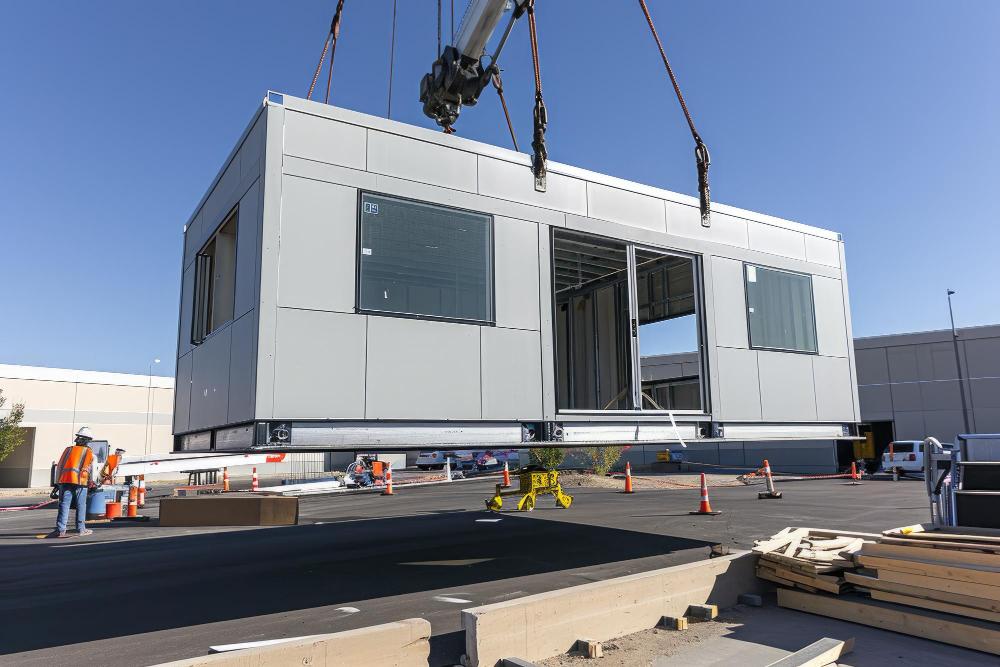
Temporary office buildings are prefabricated structures designed for short-term use. They are built offsite and delivered fully assembled or in sections, ready for rapid installation. These buildings are commonly used when organizations need extra workspace, project offices, or temporary facilities while permanent buildings are under construction or renovation.
Benefits of Using Temporary Office Buildings
Temporary office buildings save time compared to traditional construction. They reduce delays associated with on-site building projects and provide immediate workspace. These structures can also be adapted to specific needs, such as layout and size, while maintaining a safe and professional environment. Flexibility is one of their main advantages.
Materials and Construction Methods
Temporary office buildings use lightweight and durable materials such as steel, aluminum, and insulated panels. Prefabrication allows parts to be made in controlled conditions, which reduces construction errors. The buildings are designed to withstand weather conditions while remaining functional and safe for daily office use.
Quick Installation Process
The installation of temporary office buildings is fast and organized. Sections are delivered to the site and connected efficiently. This process avoids major disruptions to existing operations and allows businesses to begin using the space within days or weeks. Quick installation is a major factor for companies with tight schedules.
Space Optimization in Temporary Office Buildings
These buildings are designed to maximize usable space. Interior layouts can be customized with partitions, storage, and office furniture. Flexible designs enable the creation of meeting rooms, workstations, or break areas within limited space. This ensures that employees have a functional environment for productivity and comfort.
Cost Considerations
Temporary office buildings are often more affordable than constructing permanent offices. They require fewer materials, less labor, and minimal site preparation. Organizations can use them for months or years without long-term financial commitment. The cost efficiency makes these buildings a practical solution for short-term or changing space needs.
Mobility and Relocation Options
One of the main advantages of temporary office buildings is mobility. Structures can be moved to different locations as project needs change. Sections can be dismantled, transported, and reassembled elsewhere. This feature is useful for companies with multiple project sites or those requiring temporary workspaces in remote locations.
Safety Features
Temporary office buildings are designed to meet safety standards. Materials are fire-resistant, structures are stable, and layouts include emergency exits. Electrical and plumbing systems are integrated safely, providing a reliable environment. Safety measures protect employees while maintaining compliance with building codes.
Environmental Impact
Prefabricated temporary office buildings can reduce construction waste. Controlled manufacturing limits material loss, and many components are reusable. Reduced on-site construction also minimizes disturbance to the environment. These factors make temporary buildings a more sustainable option compared to traditional construction methods.
Use Cases for Temporary Office Buildings
Temporary office buildings are used across industries for various purposes. Common scenarios include construction project offices, emergency response centers, event management spaces, and remote site operations. Organizations benefit from having functional office space without investing in permanent infrastructure.
Customization Options
Temporary office buildings can be customized to meet specific operational requirements. Options include window placement, partition walls, electrical outlets, and furniture layouts. Exterior finishes can also match aesthetic preferences. This adaptability ensures that the buildings meet organizational needs while remaining practical for everyday use.
Climate Control and Comfort
Many temporary office buildings are equipped with HVAC systems, insulation, and ventilation to maintain a comfortable indoor climate. Proper heating, cooling, and air circulation help employees work efficiently. Attention to indoor comfort is a key factor in making temporary offices functional and suitable for daily operations.
Maintenance and Longevity
Temporary office buildings require minimal maintenance due to durable construction materials. Regular cleaning and inspections help maintain safety and functionality. Properly maintained buildings can be used for many years, providing a reliable workspace that meets short-term and extended project requirements.
Integration With Technology
Temporary office buildings can accommodate modern technology needs. Electrical systems, internet connections, and networking infrastructure can be installed easily. This allows employees to work with the same tools and resources as in permanent offices. Integration of technology is important for productivity in temporary workspaces.
Security Considerations
Security measures such as locks, access control systems, and surveillance cameras can be added to temporary office buildings. The structures are built to prevent unauthorized access while keeping employees and equipment safe. Security features provide confidence in using temporary buildings for valuable operations.
Advantages Over Modular Containers
While shipping containers are sometimes used for temporary offices, prefabricated temporary office buildings offer more flexibility in layout and design. They provide better insulation, lighting, and interior space options. These factors make them more suitable for prolonged office use and more comfortable for employees.
Temporary Office Buildings in Urban Areas
In crowded cities, temporary office buildings can be placed in small spaces without extensive construction. They help businesses expand without buying land or disrupting neighboring properties. Urban deployment of these structures offers practical solutions for companies needing quick office setups in limited areas.
Temporary Office Buildings During Renovations
When permanent offices are renovated, temporary buildings provide uninterrupted workspace. Employees can continue operations without relocating offsite. This reduces downtime and maintains business productivity during construction projects. Temporary office buildings serve as practical solutions during transitions.
Flexibility for Project-Based Work
Temporary office buildings are ideal for project-based work that has defined timelines. They can be set up for specific projects and removed once the work is complete. This flexibility prevents unnecessary long-term occupancy of permanent buildings and supports efficient resource management.
Interior Layout Efficiency
Effective interior layouts in temporary office buildings optimize workflow and communication. Workstations, meeting areas, and shared spaces can be arranged to suit team needs. Flexible partitions and modular furniture allow easy reconfiguration, helping organizations maintain operational efficiency in temporary spaces.
Compliance With Building Standards
Temporary office buildings are constructed to comply with local building codes. Structural integrity, safety features, and utility systems are built to meet regulations. Compliance ensures the buildings are safe for employees and suitable for official use in business or government operations.
Long-Term Utility of Temporary Buildings
Some temporary office buildings are used for extended periods. Durable materials and adaptable designs make them suitable for years of occupancy. Organizations can repurpose the buildings for different departments or functions, extending their usefulness beyond initial projects.
Key Takeaway
Temporary office buildings provide a fast, flexible, and practical solution for organizations needing ready workspace. They offer safety, comfort, customization, and mobility without the time and cost of permanent construction. These structures support short-term projects, renovations, or expanding operations while maintaining functional office environments.


 English
 Arabic
 French
 Spanish
 Portuguese
 Deutsch
 Turkish
 Dutch
Dutch
 Italiano
 Russian
 Portuguese (Brazil)
 Greek
Greek