


How to Prevent Cracks in Newly Installed Concrete
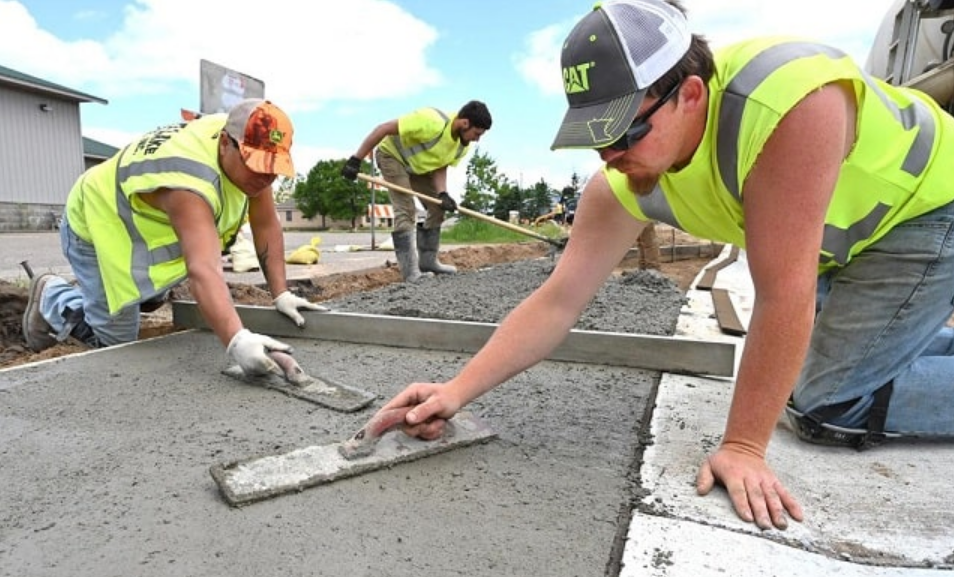
Freshly poured concrete is a significant investment that adds both value and functionality to your property. However, nothing is more frustrating than watching a smooth, gray surface develop unsightly fissures just days or weeks after the project is finished. Understanding the science behind curing and structural integrity is essential for any homeowner. Whether you are DIY-ing a small walkway or hiring a professional concrete contractor Bridgeville PA like Peak Precision Contracting, knowing the preventative measures can save you from costly repairs down the road.
The Science of Why Concrete Cracks
Before diving into prevention, it’s important to understand that concrete doesn't "dry"—it cures. Curing is a chemical reaction called hydration, where water molecules bind with cement particles to create a rock-hard matrix.
Cracks typically occur when the internal tension of the concrete exceeds its strength. This often happens due to:
-
Excess Water: Using too much water in the mix to make it easier to pour.
-
Rapid Evaporation: High winds or intense sun pulling moisture out too quickly.
-
Subgrade Settlement: The ground beneath the slab shifting or sinking.
Proper Site Preparation: The Foundation of Success
The longevity of your concrete starts long before the mixer truck arrives. If the soil underneath isn't stable, the concrete will eventually crack regardless of its quality.
Soil Compaction
Loose soil will settle over time. A professional concrete contractor Bridgeville PA will always ensure the subgrade is excavated and compacted using mechanical tampers. If you are working with "fill dirt," compaction is even more critical to prevent localized sinking.
Use of a Sub-Base
A layer of granular fill, such as crushed stone or gravel, acts as a leveling bed and provides a cushion between the soil and the slab. This layer also improves drainage, preventing hydrostatic pressure from building up underneath the concrete during heavy rains or snowmelt.
The Golden Rule: The Right Water-to-Cement Ratio
What You Should Know about concrete strength is that water is both its best friend and its worst enemy. While water is required for the chemical reaction, adding too much "slump" to the mix makes the concrete easier to spread but significantly weaker.
As the excess water evaporates, it leaves behind microscopic voids. These voids reduce the density of the slab, making it prone to shrinkage cracks. To ensure a durable finish, stick to the manufacturer’s specifications or ensure your finishing crew isn't adding water to the truck just to save labor time.
Implementing Control Joints
Concrete is going to shrink—it is an inevitable physical reality. The goal of a skilled installer is to "tell" the concrete where to crack. This is done through control joints.
-
Depth Matters: Joints should be cut to a depth of at least one-quarter of the slab's thickness.
-
Spacing: For a 4-inch thick slab, joints should typically be spaced every 8 to 10 feet.
-
Aesthetics: By placing these deep grooves strategically, any shrinkage-induced cracking happens at the bottom of the joint, hidden from view, rather than zigzagging across the middle of your new driveway.
Reinforcement Techniques
While concrete is incredibly strong under compression (pushing force), it is relatively weak under tension (pulling force). To bridge this gap, reinforcement materials are integrated into the pour.
-
Rebar and Wire Mesh: Steel reinforcement helps hold the concrete together if a crack does form. It doesn't necessarily prevent the crack, but it prevents the two sides from separating or becoming uneven.
-
Fiber Reinforcement: Modern mixes often include synthetic fibers (micro-reinforcement). These fibers are distributed throughout the entire mix, providing multi-directional support and reducing the formation of plastic shrinkage cracks while the concrete is still "green."
The Critical Curing Phase
The first seven days after pouring are the most vital. If the surface dries out too fast, the chemical bond is interrupted, resulting in a weak, dusty surface that is prone to scaling and cracking.
Methods for Effective Curing:
-
Mist Spraying: Periodically hosing down the slab with water (pond curing) keeps the hydration process active.
-
Curing Blankets: These help retain moisture and regulate temperature, especially during the fluctuating weather patterns seen in Pennsylvania.
-
Curing Compounds: These are liquid chemicals sprayed onto the surface that form a film, sealing the moisture inside the slab.
Avoid Premature Loading
It is tempting to drive your car onto a new driveway the moment it looks hard. However, "hard" does not mean "strong." Concrete typically reaches its design strength after 28 days.
-
Foot Traffic: Usually safe after 24 to 48 hours.
-
Vehicular Traffic: Wait at least 7 to 10 days for standard passenger vehicles, and longer for heavy trucks or machinery. Putting heavy loads on a slab before it has reached significant compressive strength is a guaranteed way to cause structural failure.
Weather Considerations
Extreme temperatures are the enemy of fresh concrete. In the heat of summer, the water evaporates too quickly. In the freezing winters of the Northeast, the water in the mix can freeze and expand, shattering the internal bonds before they even form.
If you are planning a project, aim for "Goldilocks" weather—over 50°F but under 80°F. If you must pour in extreme conditions, professional contractors use accelerators or retarders (chemical additives) to manage the setting time effectively.
Final Thoughts
Preventing cracks in newly installed concrete requires a combination of meticulous preparation, chemistry, and patience. By focusing on a solid sub-base, maintaining the correct water-to-cement ratio, and allowing for a proper curing period, you ensure that your masonry remains beautiful for decades. For those looking for expert execution and high-quality materials, partnering with a specialist like Peak Precision Contracting ensures that every technical detail—from reinforcement to joint placement—is handled with professional care.

 English
 Arabic
 French
 Spanish
 Portuguese
 Deutsch
 Turkish
 Dutch
Dutch
 Italiano
 Russian
 Portuguese (Brazil)
 Greek
Greek