


Vinyl Powder Free Gloves: Complete Guide to Uses, Benefits, Limitations, and Buying Tips
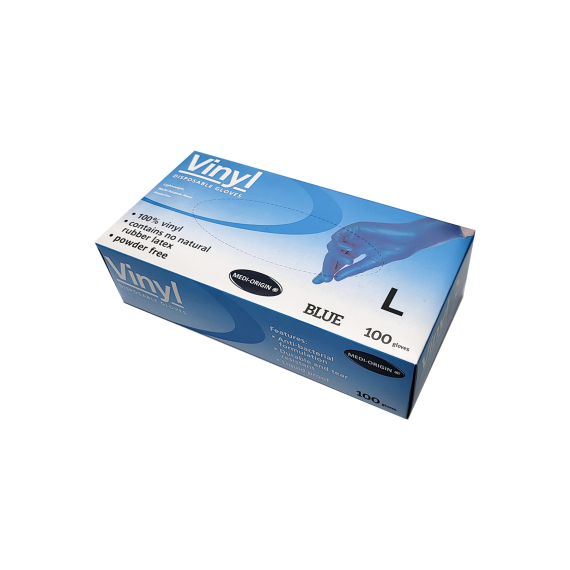
Vinyl gloves are widely used across food service, cleaning, healthcare support, and general hygiene applications. When users search for vinyl powder free gloves, they are usually looking for a low-cost, latex-free, and hygienic disposable glove option that avoids the risks associated with powdered gloves.
This guide explains everything in detail, including what vinyl powder free gloves are, how they are made, their benefits, limitations, applications, and how to choose the right type for your needs.
What Are Vinyl Powder Free Gloves?
Vinyl powder free gloves are disposable protective gloves made from synthetic material called polyvinyl chloride (PVC) without the addition of powder inside the glove. They are designed for light-duty tasks where basic protection and hygiene are required.
Unlike powdered gloves, vinyl powder free gloves do not use cornstarch or similar powders to ease donning. Instead, they are processed using chlorination or polymer coating to create a smooth inner surface.
When people search for vinyl powder free gloves, they are typically looking for:
-
Affordable disposable gloves
-
Latex-free hand protection
-
Powder-free hygiene solutions
-
Basic barrier protection for short-term use
These gloves are especially popular in food handling and cleaning industries.
Why Powder Free Matters in Vinyl Gloves
The removal of powder from gloves significantly improves hygiene and safety.
In older powdered gloves, cornstarch powder was used to make gloves easier to wear. However, this caused several issues:
-
Contamination in food environments
-
Airborne particles causing respiratory irritation
-
Skin dryness and allergic reactions
-
Residue on surfaces and equipment
Vinyl powder free gloves eliminate these problems, making them suitable for:
-
Food preparation
-
Healthcare support tasks
-
Clean environments
-
Customer-facing services
This is why powder-free variants are now the standard in most professional settings.
How Vinyl Powder Free Gloves Are Made
Vinyl gloves are produced using PVC-based manufacturing processes.
Step-by-step production:
-
PVC resin is mixed with plasticizers
-
The material is heated into a liquid compound
-
Hand-shaped ceramic molds are dipped into the mixture
-
Gloves are heated to solidify the structure
-
Chemical leaching removes impurities
-
Chlorination or polymer coating is applied for smoothness
-
Final quality checks ensure uniformity and strength
-
Gloves are packaged for disposable use
This process results in cost-effective gloves suitable for light-duty applications.
Key Features of Vinyl Powder Free Gloves
Vinyl powder free gloves offer several important features:
Powder-Free Design
No cornstarch powder, reducing contamination risks.
Latex-Free Material
Safe for users with latex allergies.
Smooth Surface
Provides easy handling for basic tasks.
Cost Efficiency
Cheaper than nitrile or latex gloves.
Loose Fit Design
Allows quick wearing and removal.
Single-Use Hygiene
Designed for disposal after use to prevent contamination.
Types of Vinyl Powder Free Gloves
Different types of vinyl gloves are designed for specific applications.
1. Clear Vinyl Powder Free Gloves
Most commonly used in food service and cleaning.
Features:
-
Transparent appearance
-
Lightweight design
-
Basic protection
-
Widely used in restaurants and kitchens
2. Industrial Vinyl Powder Free Gloves
Used for light industrial applications.
Features:
-
Slightly thicker material
-
Better durability than standard vinyl gloves
-
Suitable for non-hazardous tasks
3. Food Grade Vinyl Powder Free Gloves
Designed for direct food handling.
Features:
-
Safe for food contact
-
Powder-free for hygiene compliance
-
Used in restaurants and catering
4. Medical Support Vinyl Gloves
Used for non-critical healthcare tasks.
Features:
-
Basic barrier protection
-
Used in administrative or support roles
-
Not suitable for surgical procedures
Benefits of Vinyl Powder Free Gloves
Vinyl powder free gloves provide several advantages for low-risk environments.
Affordable Protection
They are one of the most cost-effective glove options available.
Hygiene Safety
Powder-free design reduces contamination risk.
Latex-Free Comfort
Safe for people with latex allergies.
Easy to Wear
Loose fit allows quick application and removal.
Suitable for High Volume Use
Ideal for industries requiring frequent glove changes.
Versatile Applications
Used across food, cleaning, and retail industries.
Limitations of Vinyl Powder Free Gloves
Despite their advantages, vinyl gloves have limitations.
Low Durability
They are more prone to tearing compared to nitrile gloves.
Poor Chemical Resistance
Not suitable for handling strong chemicals or solvents.
Reduced Elasticity
Less flexibility compared to latex and nitrile gloves.
Loose Fit Issues
May reduce precision and grip in delicate tasks.
Not Suitable for High-Risk Use
Not recommended for surgical or heavy industrial applications.
Applications of Vinyl Powder Free Gloves
Vinyl powder free gloves are used in many industries where basic protection is sufficient.
Food Industry
One of the largest applications.
Used in:
-
Restaurants
-
Food packaging
-
Catering services
-
Bakeries
They help maintain hygiene standards and prevent contamination.
Cleaning and Janitorial Services
Used for:
-
Surface cleaning
-
Light disinfectant handling
-
Waste disposal
-
Hotel housekeeping
Healthcare Support
Used in non-critical environments such as:
-
Patient transport
-
Administrative work
-
General hygiene tasks
Retail Industry
Used for:
-
Product handling
-
Customer service hygiene
-
Stock management
Beauty and Salon Industry
Used in:
-
Hair dyeing
-
Salon cleaning
-
Basic cosmetic procedures
Vinyl Powder Free Gloves vs Other Gloves
Vinyl vs Nitrile Gloves
-
Nitrile: stronger, chemical resistant, flexible
-
Vinyl: cheaper, less durable, basic protection
Nitrile is better for medical and industrial use.
Vinyl vs Latex Gloves
-
Latex: flexible and strong but allergy risk
-
Vinyl: latex-free and more affordable
Vinyl is safer for allergy-sensitive environments.
Vinyl vs Polyethylene Gloves
-
Polyethylene: very thin and loose
-
Vinyl: better fit and slightly stronger
Vinyl offers better usability for professional tasks.
How to Choose the Right Vinyl Powder Free Gloves
Selecting the right gloves depends on usage requirements.
1. Intended Use
-
Food handling: food-grade vinyl gloves
-
Cleaning: standard vinyl gloves
-
Light industrial: thicker vinyl gloves
2. Thickness Level
-
Thin: short tasks
-
Medium: general cleaning
-
Thick: light industrial work
3. Size Selection
Proper sizing improves comfort and reduces tearing.
Common sizes: S, M, L, XL
4. Powder-Free Requirement
Always choose powder-free gloves for hygiene-sensitive environments
5. Certification Standards
Check for:
-
Food safety approval
-
Quality compliance certifications
-
Uniform thickness standards
Proper Use of Vinyl Powder Free Gloves
To ensure safety and performance:
-
Wash hands before use
-
Select correct size
-
Avoid overstretching gloves
-
Change gloves after each task
-
Dispose of gloves properly
Vinyl gloves are not reusable in professional environments.
Common Mistakes to Avoid
Using for Heavy Tasks
Vinyl gloves are not suitable for chemical or industrial heavy-duty work.
Reusing Disposable Gloves
Increases contamination risk.
Wrong Size Selection
Poor fit reduces effectiveness.
Ignoring Material Limits
Not suitable for sharp or hazardous environments.
Environmental Considerations
Vinyl gloves are made from PVC, which is not biodegradable.
However, improvements include:
-
Reduced material usage
-
Bulk packaging to minimize waste
-
Recycling initiatives in some sectors
-
Development of alternative eco-friendly materials
Proper disposal is important to reduce environmental impact.
Why Vinyl Powder Free Gloves Are Popular
Despite limitations, vinyl gloves remain widely used because:
-
They are very affordable
-
They are latex-free
-
They are easy to use
-
They are suitable for high-volume industries
-
They meet basic hygiene requirements
This makes them ideal for cost-sensitive businesses.
Future of Vinyl Powder Free Gloves
The industry is evolving with improvements such as:
-
Better PVC formulations for durability
-
Eco-friendly alternatives
-
Improved fit and flexibility
-
Reduced environmental impact materials
-
Hybrid disposable glove technologies
However, nitrile gloves are expected to dominate high-performance sectors.
Conclusion
Vinyl powder free gloves are a practical and affordable solution for low-risk environments where basic hygiene and protection are required. vinyl powder free gloves represent a widely used category of disposable gloves essential in food service, cleaning, retail, and support industries.
While they are not suitable for high-risk or chemical-heavy tasks, they remain a reliable choice for short-term, low-intensity applications. Choosing the right type and size ensures better performance and hygiene safety.
FAQs About Vinyl Powder Free Gloves
1. What are vinyl powder free gloves used for?
They are used in food handling, cleaning, retail, and light healthcare support tasks.
2. Are vinyl powder free gloves safe for food use?
Yes, food-grade vinyl gloves are widely used in kitchens and food industries.
3. Do vinyl powder free gloves contain latex?
No, they are completely latex-free.
4. Can vinyl powder free gloves be reused?
No, they are designed for single-use only.
5. Are vinyl gloves better than nitrile gloves?
Nitrile gloves are stronger and more durable, while vinyl gloves are cheaper and suitable for light tasks.
6. Do vinyl powder free gloves protect against chemicals?
They offer limited protection and are not suitable for strong chemicals.
7. Why are powder-free gloves preferred?
Because they reduce contamination risks and are safer for food and medical environments

 English
 Arabic
 French
 Spanish
 Portuguese
 Deutsch
 Turkish
 Dutch
Dutch
 Italiano
 Russian
 Portuguese (Brazil)
 Greek
Greek