


How does an Ophthalmic Modular Operation Theatre help maintain a sterile surgical environment?
INTRODUCTION
Maintaining absolute sterility is one of the most important requirements in ophthalmic surgery. Eye procedures involve delicate tissues where even microscopic airborne contaminants can increase the risk of infection and compromise surgical outcomes. Modern hospitals therefore rely on an Ophthalmic Modular Operation Theatre to provide a controlled environment that minimizes contamination while supporting safe and precise surgical procedures.
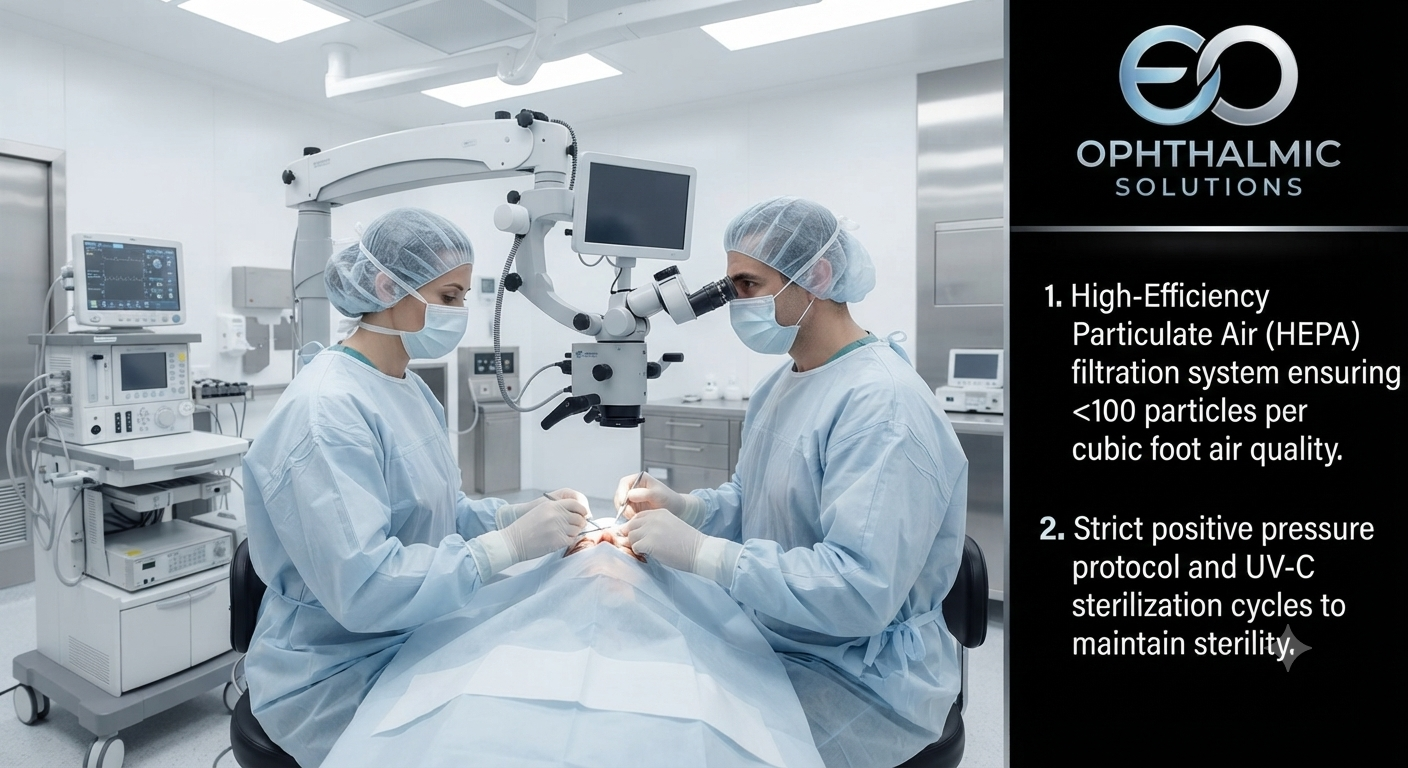
An Ophthalmic Modular Operation Theatre combines advanced cleanroom engineering, intelligent HVAC systems, HEPA filtration, laminar airflow, pressure control, seamless modular construction, and hygienic materials to create a sterile environment throughout every stage of surgery. Unlike conventional operation theatres, modular ophthalmic OTs are specifically engineered to maintain consistent air quality, simplify cleaning, and reduce microbial contamination. This article explains how these specialized operation theatres help maintain a sterile surgical environment.
Controlled Airflow Management
Air quality is one of the primary factors affecting sterility.
An Ophthalmic Modular Operation Theatre uses engineered airflow systems that:
- Control air movement
- Remove airborne contaminants
- Maintain stable environmental conditions
Controlled airflow minimizes contamination risks.
Laminar Airflow Technology
Laminar airflow creates unidirectional air movement.
Benefits include:
- Continuous clean air supply
- Reduced airborne particles
- Protection of the surgical field
Laminar airflow is essential for ophthalmic procedures.
High-Efficiency HEPA Filtration
HEPA filters remove microscopic particles from the air.
Inside an Ophthalmic Modular Operation Theatre, HEPA filtration helps eliminate:
- Dust
- Microorganisms
- Airborne contaminants
- Fine particles
Efficient filtration supports sterile surgery.
Positive Pressure Environment
Positive pressure prevents contaminated air from entering the theatre.
Pressure control ensures:
- Clean air flows outward
- External contaminants remain outside
- Stable surgical conditions
Positive pressure strengthens infection prevention.
Advanced HVAC Systems
Modern HVAC systems maintain environmental stability.
Functions include:
- Temperature regulation
- Humidity control
- Air circulation
- Pressure balancing
Stable conditions improve sterility.
Seamless Wall Construction
Modular wall systems eliminate unnecessary joints.
Smooth surfaces:
- Reduce dust accumulation
- Simplify cleaning
- Prevent microbial growth
Seamless construction supports hygiene.
Hygienic Ceiling Systems
Specialized ceiling panels improve cleanliness.
Benefits include:
- Smooth surfaces
- Moisture resistance
- Easy maintenance
Ceiling design contributes to contamination control.
Seamless Flooring
Epoxy or conductive PVC flooring creates joint-free surfaces.
Advantages include:
- Easy cleaning
- Chemical resistance
- Reduced bacterial accumulation
Flooring improves overall sanitation.
Antibacterial Surface Finishes
Modern Ophthalmic Modular Operation Theatre installations often include antimicrobial coatings.
These finishes:
- Limit bacterial growth
- Improve surface hygiene
- Enhance infection control
Protective coatings support sterile environments.
Hermetically Sealed Doors
Specialized OT doors reduce air leakage.
Features include:
- Airtight sealing
- Automatic operation
- Controlled airflow
Proper door systems protect environmental integrity.
Medical Grade Materials
Construction materials influence sterility.
Common materials include:
- Stainless steel
- HPL panels
- PUF insulated panels
- Low VOC finishes
Medical-grade materials simplify sanitation.
Minimal Dust Retention
Every component is selected to minimize dust accumulation.
Smooth finishes prevent:
- Particle buildup
- Difficult cleaning
- Hidden contamination
Low-dust environments improve safety.
Cleanroom Engineering Principles
An Ophthalmic Modular Operation Theatre follows cleanroom engineering concepts.
These include:
- Controlled zoning
- Airflow management
- Surface hygiene
- Contamination control
Cleanroom engineering strengthens sterility.
Environmental Monitoring
Continuous monitoring ensures stable operating conditions.
Monitoring systems track:
- Temperature
- Humidity
- Air pressure
- Air quality
Real-time monitoring prevents environmental deviations.
HEPA Validation
HEPA filters require regular testing.
Validation confirms:
- Filter integrity
- Air cleanliness
- Proper installation
Regular verification maintains reliability.
Airflow Validation
Airflow visualization verifies system performance.
Testing ensures:
- Uniform airflow
- Proper laminar movement
- Elimination of turbulence
Validated airflow protects the surgical area.
Controlled Personnel Movement
Workflow planning reduces unnecessary movement.
Proper layouts minimize:
- Traffic
- Cross contamination
- Air disturbance
Organized movement improves sterility.
Equipment Integration
Medical equipment is carefully positioned.
Strategic placement:
- Improves accessibility
- Reduces clutter
- Simplifies cleaning
Proper integration supports infection control.
Easy Cleaning and Maintenance
All surfaces are designed for rapid sanitation.
Advantages include:
- Smooth finishes
- Chemical resistance
- Moisture resistance
Easy maintenance preserves cleanliness.
Infection Control Compliance
Modern ophthalmic OTs support healthcare infection control protocols.
Engineering solutions help maintain:
- Sterile conditions
- Safe procedures
- Regulatory compliance
Compliance improves patient protection.
Reduced Microbial Growth
Construction materials and environmental controls work together to reduce microbial presence.
Combined systems include:
- HEPA filtration
- Antimicrobial finishes
- Pressure management
Integrated protection strengthens sterility.
Benefits of a Sterile Ophthalmic Operation Theatre
An Ophthalmic Modular Operation Theatre provides:
- Lower infection risk
- Better surgical precision
- Improved patient safety
- Consistent environmental control
- Long-term operational reliability
Sterility supports successful eye surgery.
Conclusion
An Ophthalmic Modular Operation Theatre maintains a sterile surgical environment through the integration of advanced laminar airflow systems, HEPA filtration, intelligent HVAC controls, positive pressure management, cleanroom engineering principles, seamless modular construction, hygienic medical-grade materials, antimicrobial finishes, environmental monitoring, airflow validation, organized workflow planning, and efficient equipment integration. These engineering features work together to minimize airborne contamination, reduce microbial growth, simplify cleaning, maintain stable environmental conditions, and support strict infection control protocols essential for delicate ophthalmic procedures. By providing a consistently clean and controlled operating environment, modular ophthalmic operation theatres improve patient safety, surgical precision, regulatory compliance, and long-term healthcare performance. Through advanced healthcare engineering expertise and innovative operation theatre solutions, Altus Airflow delivers high-performance ophthalmic operation theatres designed to meet modern surgical standards.
Frequently Asked Questions (FAQs)
1. How does an Ophthalmic Modular Operation Theatre maintain sterility?
An Ophthalmic Modular Operation Theatre maintains sterility using HEPA filtration, laminar airflow, HVAC systems, positive pressure, and cleanroom engineering.
2. Why is HEPA filtration important in an Ophthalmic Modular Operation Theatre?
HEPA filtration inside an Ophthalmic Modular Operation Theatre removes airborne contaminants that could compromise surgical safety.
3. Does an Ophthalmic Modular Operation Theatre use positive pressure?
Yes, an Ophthalmic Modular Operation Theatre maintains positive pressure to prevent contaminated air from entering the operating room.
4. What materials improve hygiene in an Ophthalmic Modular Operation Theatre?
An Ophthalmic Modular Operation Theatre uses seamless wall panels, epoxy flooring, stainless steel, antimicrobial finishes, and medical-grade materials to improve hygiene.
5. Why is environmental monitoring necessary in an Ophthalmic Modular Operation Theatre?
Environmental monitoring ensures an Ophthalmic Modular Operation Theatre maintains proper temperature, humidity, pressure, and air quality throughout surgical procedures.
Read Our Previous Blog------>What materials are commonly used in a Modular Ophthalmic Operation Theatre?

 English
 Arabic
 French
 Portuguese
 Deutsch
 Turkish
 Dutch
Dutch
 Italiano
 Russian
 Romaian
 Portuguese (Brazil)
 Greek
Greek